
Updated August 22, 2026
Most advice about downsizing treats storage as one big holding pen: put whatever you’re not ready to decide about into a unit and sort it out later. That’s not wrong, exactly, but it misses something that actually matters once you’re standing in a storage facility trying to pick a unit size. Downsizing storage is really two different jobs, and treating them as one is how people end up paying for more space than they need, or not enough.
The Two Kinds of Storage You Need When Downsizing
The first job is staging storage: furniture, boxes, and household items you’re actively sorting through, trying to sell, or holding onto until your new place is ready. This is short-term by nature, weeks to a few months, and it’s usually the bulk of the volume. A dining set you haven’t decided whether to keep, boxes from a closet you haven’t fully sorted, appliances waiting for a buyer, all of this belongs here.
The second job is keepsake storage: the sentimental items you’re genuinely not ready to part with, but also won’t need again soon. Photo albums, a parent’s furniture, holiday decorations built up over decades, the kids’ childhood things. This is smaller in volume, longer in duration, and it calls for a different mindset entirely, this is storage measured in months or years, not weeks.
Why the distinction matters: staging storage is about maximizing space efficiently for a short window, so unit size and cost tend to be the priority. Keepsake storage is about protecting things that matter over a longer stretch, so climate control and security matter more than squeezing in every last box. Knowing which job you’re actually solving for changes what you should be looking for in a unit, and it’s the first real decision to make before you start packing anything.
Why Downsizing Storage Is Especially Common in Scottsdale
Scottsdale has a large population of retirees, empty-nesters, and seasonal residents, people moving from a larger family home into a condo, a 55-plus community, or a smaller place better suited to their current stage of life. That transition rarely happens in one clean move. Furniture that fit a five-bedroom house doesn’t fit a two-bedroom condo, and most people aren’t ready to make permanent decisions about everything at once, especially with items that carry real sentimental weight.
What to Actually Do With Your Belongings
Before anything goes into a box, sort what you own into four honest categories:
- Keep: it fits your new space and your current life.
- Sell or donate: it has value to someone else, but not enough to you to justify moving it.
- Store short-term: you haven’t decided yet, or you need it out of the way during the move itself.
- Store long-term: it’s sentimental, and you’re not ready, and may never be ready, to let it go.
The mistake most people make is skipping straight to “store everything” without sorting first. That’s how a storage unit quietly becomes a second attic. Sorting first, even roughly, means you’re only paying to store what you’ve actually decided is worth storing.
Decluttering Doesn’t Just Help You, It Helps Your Home Sell
If downsizing means selling your current home, there’s a practical upside to clearing things out beyond your own peace of mind. According to the National Association of Realtors’ 2025 Profile of Home Staging, almost half of sellers’ agents indicated that staging, which starts with decluttering, reduced the amount of time a home spent on the market, and roughly a third of agents said it increased the dollar value of offers received. Even among agents who don’t do full staging, decluttering is still the single most common recommendation they give sellers.
Practically, that means moving excess furniture and personal items into storage before your home goes on the market isn’t just about making your own move easier, it can genuinely help the sale itself. A living room that photographs as open and uncluttered tends to perform better than one that photographs as full, and that’s true whether or not you hire a professional stager.
Choosing the Right Unit for Each Job
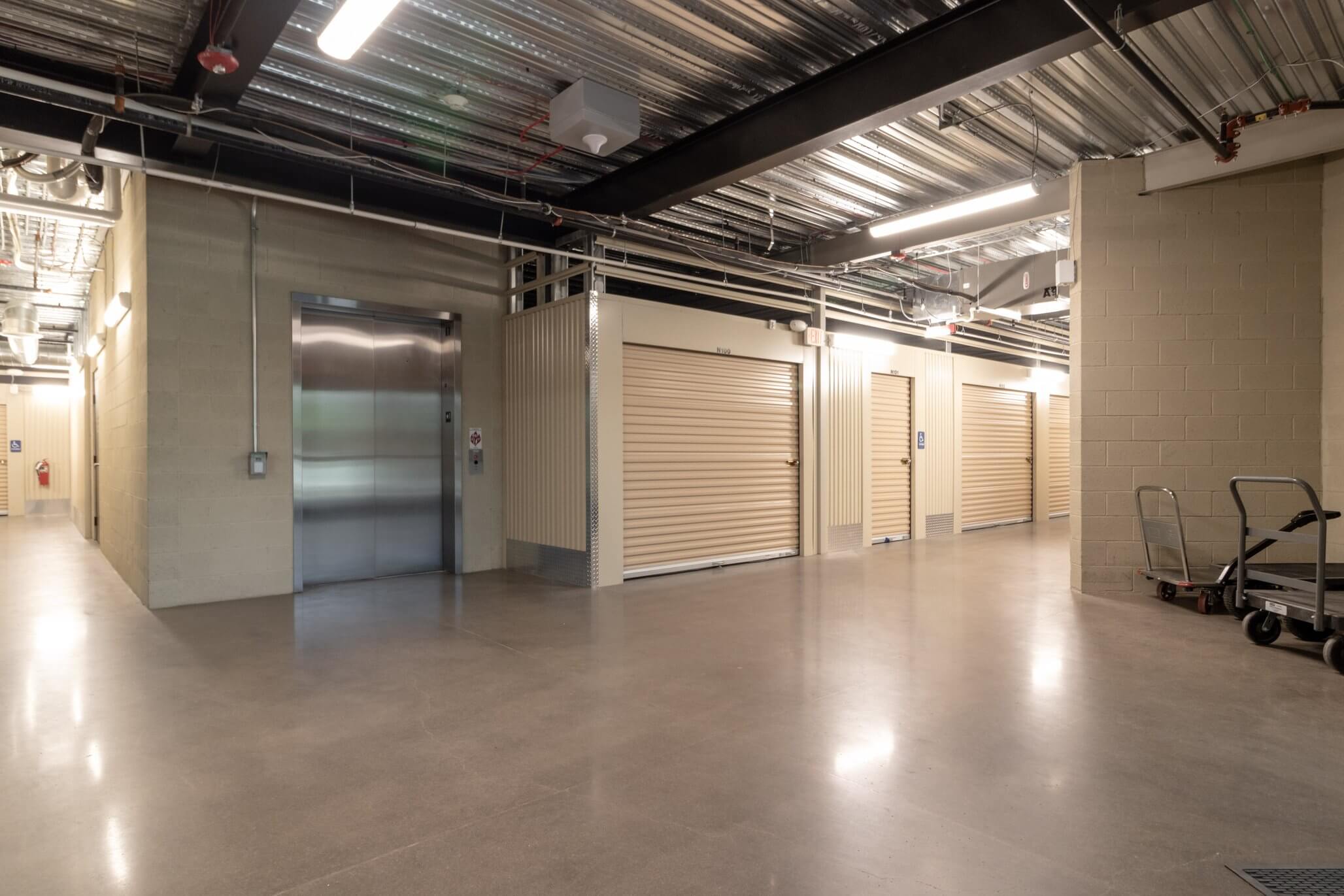
For staging storage, prioritize size and access. You’ll likely be back in the unit repeatedly as you continue sorting, so an easily accessible unit that fits your furniture and boxes without excess overflow saves both money and hassle. Ground-floor, drive-up-style access is worth asking about if you’ll be moving items in and out frequently.
For keepsake storage, prioritize protection over size. A climate-controlled unit matters more here, Scottsdale’s summer heat is genuinely hard on wood furniture, photographs, and anything with adhesive or fabric components, and these are exactly the items you’re planning to keep for years, not weeks. It’s worth paying a bit more for the right environment when the whole point is protecting things you can’t easily replace.
Frequently Asked Questions
How much storage space do I need when downsizing?
It depends on how much you’re moving to storage versus your new home, but most people downsizing from a house to a smaller condo or apartment land somewhere between a 10×10 and 10×15 unit for staging storage, with a smaller unit sufficient for long-term keepsakes alone. Walking through your actual inventory with a facility representative is the most reliable way to choose the right size, rather than guessing.
Should I store furniture I haven’t decided whether to keep?
Yes, generally. Storage gives you time to decide without the pressure of a moving deadline forcing a rushed choice you might regret. Just set a real deadline to revisit those items; storage should be a pause button, not a permanent solution for indecision.
Is a storage unit worth it if I’m only downsizing temporarily, like during a renovation?
Yes. Short-term staging storage is exactly what a month-to-month unit is built for, you’re not committing to a long-term keepsake situation, just bridging the gap until your space is ready again.
What items benefit most from climate-controlled storage during downsizing?
Wood furniture, photographs, documents, electronics, and anything with fabric or adhesive components hold up far better in a climate-controlled unit, especially for the long-term keepsake items you’re planning to store for months or years rather than weeks.
Start Your Downsizing Plan With the Right Storage
Whether you’re actively sorting through a house full of decisions or setting aside the things you’re not ready to part with, McDowell Mountain Community Storage offers both the short-term flexibility and the climate-controlled protection downsizing actually calls for. If you’re ready to see what fits your plan, self storage in Scottsdale is available in a range of sizes, reserve your unit today.