

A well-organized kitchen can completely change how smoothly a household runs. Kitchens are often the busiest room, where food preparation, storage, and cleaning all happen at once. When cabinets, drawers, and countertops overflow with kitchen items, clutter builds quickly and the space becomes difficult to manage. Finding the right way to store each item—especially inside a kitchen cabinet or behind a cabinet door—can make a big difference.
Through years of helping people organize their homes, we’ve seen how smart kitchen organization ideas improve efficiency. Simple changes, like using the top shelf properly or choosing the right organizers, can create more room for the items you use most. Even reviewing a quick photo of your kitchen can help identify problem areas.
Below we share practical tips and kitchen storage ideas to maximize cabinet space, streamline drawers, and keep every item in its place.
Smart Cabinet Organization Maximizes Hidden Storage Space
Kitchen cabinets hold most kitchen items, yet many kitchens use only a fraction of their potential cabinet space. One of the best ways to improve efficiency is to first declutter and remove extra stuff that no longer serves a purpose. Once unnecessary items are gone, it becomes easier to arrange everything properly and optimize the available storage areas so the most frequently used items stay within easy reach.
Adding shelf risers, baskets, or stackable containers is one of the simplest ways to use vertical shelf space more effectively. These tools help separate bowls, plates, glasses, and other kitchen items into organized sorts instead of stacking everything in one pile. Choosing the right ones for your cabinet size allows you to create multiple levels of storage while keeping dishes neat and accessible.
Another helpful solution is installing rotating organizers like lazy susans inside corner cabinets, which make it easier to reach items stored at the back. We also recommend using the inside of a cabinet door for hooks or racks that can hold foil, lids, or lightweight utensils. Even nearby areas like the side of the fridge can sometimes support small racks or organizers, adding extra storage while keeping kitchen cabinets tidy and efficient.
Drawer Dividers And Organizers Create Order In Every Kitchen Drawer
Drawers often become chaotic over time. The typical junk drawer collects random things, spoons, rubber bands, batteries, scissors, dish towels, and a lot of other small items that don’t have a clear home. These items often come in different sizes, making the drawer look messy and difficult to manage. In many kitchens, organizing drawers becomes an afterthought, but even a small change can improve how the space functions.
Using drawer dividers or modular drawer organizers instantly creates order. These organizers separate kitchen utensils, cutlery, measuring spoons, and gadgets into clearly defined sections. Choosing dividers in a neutral color or one that matches the kitchen design can also make the space look cleaner and more coordinated. For homeowners who enjoy simple projects, a DIY divider system made from small boxes or containers can work just as well.
In deeper drawers, adjustable dividers help organize cookware like pots, pans, and pot lids. Instead of stacking everything into one pile, vertical dividers keep cookware easy to grab. Sometimes organizing drawers isn’t about buying something expensive—it’s simply about finding the right idea and system that works. No matter the kitchen size, small improvements like these can make a noticeable difference in everyday use.
We also suggest dedicating specific drawers for specific categories:
-
One drawer for kitchen utensils
-
One drawer for knives or a knife rack insert
-
One drawer for food storage lids and containers
-
One drawer for baking tools such as measuring cups and mixing spoons
This simple organization system reduces clutter and ensures everything has a predictable spot.
Pantry Organization Improves Food Storage And Accessibility
A well-organized pantry dramatically improves kitchen efficiency. Whether someone has a walk-in pantry or small cabinet pantries, a structured pantry system makes it easier to track ingredients and reduce waste. Creating dedicated spaces for different foods helps ensure anything stored in the pantry has a clear place, so finding the right thing becomes quick and simple.
We recommend storing dry goods such as flour, sugar, pasta, cereal, and rice in labeled containers or clear bins. Placing frequently used items toward the front and grouping similar products on both sides keeps everything accessible once the containers are set in place. In taller pantries, shelves reaching toward the ceiling can add extra storage, while simple labels can act like a small guide post that keeps everything organized.
Grouping similar pantry goods together also helps maintain order. For example:
-
Baking ingredients in one area
-
Snacks in another section
-
Breakfast items grouped together
-
Canned goods organized by type
Using bins, baskets, or stackable boxes keeps items contained while maximizing shelf space.
Labeling containers and bins may seem simple, but it helps everyone in the family return items to the correct spot after use.
Vertical Storage On Walls And Doors Expands Kitchen Capacity
Many kitchens overlook the value of vertical storage on walls, cabinet doors, and even ceilings. Using these areas helps sort kitchen items so frequently used tools stay within easy sight, while the rest can be stored neatly in cabinets or drawers.
Installing wall racks, pegboards, or mounted shelves provides space for cookware, utensils, cutting boards, and even an extra bowl or two used often. Hanging hooks can hold pots, pans, mugs, or frequently used kitchen utensils, which also helps free up valuable drawer space. This vertical approach works especially well in compact kitchens where cabinet space is limited.
Wall-mounted spice racks keep spices visible and organized instead of hidden behind packaging on crowded shelves. These racks can also store small kitchen items or folded grocery bags. By using vertical areas, kitchens gain extra storage without sacrificing floor space, making the entire kitchen layout more efficient and easier to manage—much like a well-organized page where everything has its place.
Countertop Organization Keeps Frequently Used Items Accessible
Countertops are prime workspace in any kitchen. However, when counters become cluttered with appliances, containers, dishes, and decor, food preparation becomes frustrating. Keeping counters clear provides plenty of room for cooking tasks and allows the kitchen to feel more open and organized.
We encourage maintaining only the essentials on the counter while storing the rest in cabinets or nearby pantry space. A small tray or basket can hold frequently used items like cooking oil, salt, pepper, and spices so they remain easy to access. This simple setup also keeps items contained and prevents clutter from spreading across the counter.
Appliances like a mixer, coffee maker, or blender should have designated zones depending on how often they are used. Items used less often can be stored in cabinets, the pantry, or even a nearby freezer area if space allows. Using tiered stands or a decorative cake stand can elevate items vertically, giving the advantage of extra workspace without expanding the counter footprint.
Small design choices also help create a balanced look. A simple kitchen rug can define the cooking area, while neatly arranged appliances make the space feel intentional rather than crowded. Maintaining a clean counter improves efficiency, and for homeowners sharing organization ideas online or publishing inspiration links, a tidy kitchen always creates a better impression.
Under Sink Storage Solutions Organize Cleaning Supplies
The area beneath the kitchen sink often becomes a messy storage zone for cleaning supplies, sponges, trash bags, and dishwashing products.
Adding stackable bins, tension rods, or small shelves can divide this awkward space into organized sections.
For example:
-
One bin for cleaning products
-
One container for sponges and brushes
-
A small rack for cleaning supplies and spray bottles
A tension rod across the cabinet interior can also hang spray bottles, freeing the bottom area for other cleaning products.
By organizing under-sink storage, we create a tidy cleaning station that keeps supplies easy to access.
Kitchen Island Storage Adds Functionality And Extra Workspace
A kitchen island can become one of the most valuable storage areas in the kitchen. This kind of layout feature adds flexibility and can be used in many different ways depending on a household’s needs. For many people, a well-designed island represents part of their kitchen organization dreams, especially when extra storage is limited.
Many kitchen islands include drawers, cabinets, or shelving that can hold cookware, dishes, and frequently used kitchen items. Open shelving on the side of the island is perfect for cookbooks, baskets, or decorative containers, allowing a small collection of kitchen items to stay visible and organized. These shelves can also store items that are used often so they remain easy to reach.
Some homeowners also use a rolling cart or small island as additional kitchen storage when cabinets are limited. These carts can store pantry goods, cooking utensils, or small appliances and can be moved anywhere in the kitchen as needed. When people share kitchen organization ideas online, comments and personal opinion often highlight how helpful this extra storage space can be for improving both functionality and cooking efficiency.
Efficient Pot, Pan, And Lid Storage Prevents Cabinet Clutter
Cookware often takes up a large amount of cabinet space, and pots, pans, and lids stacked together can quickly become difficult to manage. Here are some storage unit tips to keep your kitchen organized:
Using vertical pan racks or adjustable dividers prevents cookware from collapsing into a cluttered pile. Each pot and pan remains easy to grab without moving multiple items.
Lid organizers mounted inside cabinet doors also solve the common problem of loose pot lids sliding around inside cabinets.
These simple storage strategies make cooking more efficient while protecting your cookware from scratches.
Smart Storage For Small Kitchen Items Reduces Everyday Frustration

Small kitchen items—spices, measuring spoons, gadgets, and utensils—often cause the most clutter because they are easy to lose.
Dedicated organizers help keep these items sorted and accessible.
For example:
-
A drawer organizer for measuring spoons
-
A spice rack inside a cabinet
-
Small bins for tea bags or coffee pods
-
A knife rack or magnetic strip for knives
These simple solutions streamline kitchen organization and prevent small items from taking over valuable space.
Clear Containers And Labels Improve Pantry Efficiency
One of the most effective kitchen organization systems involves storing dry food in uniform containers.
Clear containers allow us to see ingredients instantly, while labels prevent confusion between similar products like flour, sugar, or baking soda.
Stackable containers also maximize pantry shelf space and keep food fresh longer.
Many people prefer modular container systems because they adapt easily as pantry needs change.
The result is a clean, organized pantry where everything is easy to find.
Creative Storage For Cutting Boards, Baking Sheets, And Trays
Large flat kitchen items such as cutting boards, baking sheets, and trays can be difficult to store.
Vertical dividers inside cabinets or drawers keep these items separated and easy to grab. Another clever solution uses tension rods inside cabinets to create instant compartments for boards and pans.
This vertical system saves space while preventing heavy trays from sliding around.
Thoughtful Kitchen Organization Improves Daily Life
At McDowell Mountain Community Storage, we believe kitchen organization is about more than aesthetics—it’s about improving how the space functions.
When cabinets, drawers, shelves, and pantries are organized effectively:
-
Cooking becomes faster and easier
-
Food ingredients are easier to locate
-
Countertops stay clear
-
Cleaning supplies remain accessible
-
The entire room feels more spacious
An organized kitchen supports healthier habits, efficient cooking, and smoother daily routines.
Storage Beyond The Kitchen Supports Long-Term Organization
Even with the best kitchen storage solutions, some households simply have more kitchen items than their space allows. Seasonal cookware, extra appliances, bulk grocery purchases, and rarely used dishes can quickly fill every cabinet.
That’s where we come in.
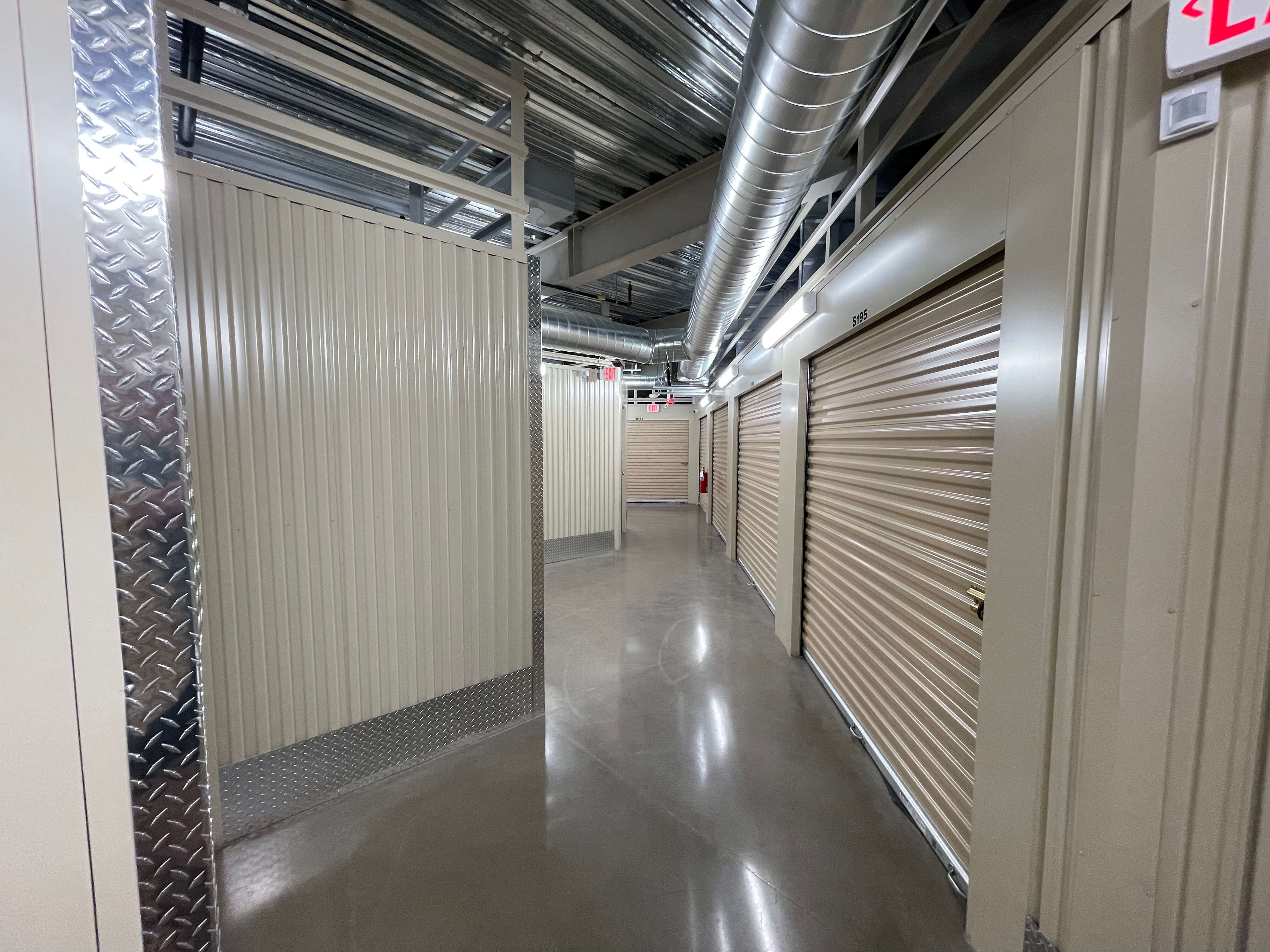
At McDowell Mountain Community Storage, we help families create extra breathing room in their homes by providing safe, accessible storage for items that don’t need to stay in the kitchen year-round.
Whether someone needs space for extra cookware, small appliances, holiday dishes, or bulk pantry goods, our storage units offer a convenient solution that keeps the kitchen tidy and functional.
A Well Organized Kitchen Creates A More Efficient Home
Great kitchen organization doesn’t require a complete remodel. With the right combination of baskets, containers, shelves, racks, and organizers, even small kitchens can gain significant storage space.
By maximizing cabinet space, organizing drawers, optimizing pantry storage, and using vertical wall storage, kitchens become easier to maintain and far more enjoyable to use.
At McDowell Mountain Community Storage, we’re passionate about helping people simplify their homes and make every space work better. When the kitchen is organized, the entire house benefits—and daily life becomes a little smoother for everyone.
Frequently Asked Questions (FAQs)
How can a kitchen with irregularly shaped cabinets be organized?
Adjustable shelves, lazy susans, or modular bins make the most of awkward spaces. Custom inserts or stackable organizers can maximize storage even in cabinets with unusual shapes.
What are the best solutions for small or narrow kitchen drawers?
Drawer dividers and slim organizers give each item its own space, preventing clutter and keeping utensils easy to find. For very narrow drawers, storing smaller items vertically or using small containers helps maintain order.
How can pantry items be kept from getting stale or expired?
Clear, airtight containers labeled with purchase or expiration dates help track freshness. Rotating items so older products are at the front ensures nothing is forgotten in the back.
What is the most efficient way to store large appliances that are rarely used?
Store infrequently used appliances in cabinets, pantry shelves, or nearby storage units to free up countertop space. Labeling containers or boxes protects appliances from dust and keeps the kitchen tidy.
How can under-sink plumbing areas be organized without blocking access?
Stackable bins, small shelves, or tension rods create compartments while leaving pipes clear. Lightweight, movable containers allow easy access to cleaning products.
Are there eco-friendly or sustainable kitchen organization options?
Bamboo, recycled plastic, or metal organizers, as well as reusable containers, provide sustainable storage options. Repurposing jars or bins already on hand is another environmentally friendly solution.
What is the best way to manage a mixed collection of reusable grocery bags, wraps, and foil?
Dedicate a drawer, cabinet, or hanging basket for these items to keep them organized. Hooks or small containers inside doors make items easy to grab when needed.
How can a functional storage system be created in a shared kitchen?
Assign specific drawers, cabinets, or zones for each person’s items to reduce confusion and clutter. Clear labels or color-coded bins help users quickly find what they need.
Are there modular or customizable storage systems that adapt over time?
Many drawer inserts, stackable bins, and pantry organizers can be rearranged or expanded as kitchen items change. This flexibility allows storage solutions to adjust without replacing the entire system.
How can aesthetics be balanced with practical kitchen storage?
Organizers, bins, and containers in neutral colors or materials complement kitchen design. Frequently used items can be neatly displayed on open shelving, while less attractive supplies remain hidden in cabinets or drawers.