
At McDowell Mountain Community Storage, we understand how challenging it can be to keep children’s rooms tidy when toys, books, and games are constantly vying for space. Parents often face a lot of small items—blocks, dolls, art supplies, and accessories—that seem to multiply overnight. That’s why it’s essential to arrange and sort toys and belongings with innovative, space-saving strategies that fit your home’s design and daily routine. From simple DIY labeling projects to adjustable doors on built-in cabinets, every thoughtful touch helps streamline play areas and make cleanup easier for both kids and parents. These creative toy storage ideas turn tidying up into an engaging, hands-on part of the day rather than a chore.
With a combination of clever storage products, functional furniture, and personalized touches, you can transform even the most active playroom into a calm, organized space. Add labeled bins beneath the coffee table, tuck seasonal bedding or plush toys behind cabinet doors, and include low shelves for easy access. A few practical tips—like designating a “cleanup corner” or using stackable containers—go a long way toward maintaining order. The goal is to create a balanced space where every item has a designated home, the room’s content feels inviting, and both children and adults can enjoy a clutter-free environment that works beautifully for everyday life.
Make Use of Vertical Shelves and Wall Storage
One of the best ways to maximize space in rooms filled with kids and toys is to utilize vertical storage. Rather than letting items spill across the floor, install shelves or wall-mounted units to elevate bins, drawer systems, and shelving frames. This creates clear floor space, keeps books and toys accessible, and reduces clutter in bedrooms or playrooms. For example, using a shelving unit with bins or cubbies and stacking storage up the wall ensures you efficiently use the vertical plane while keeping the room neat.
Tips for vertical storage:
- Choose shelving that fits within your child’s reach — low enough for independent cleanup, high enough to leave open floor space.
- Add hooks on the walls for accessories, such as dress-up items or stuffed animals.
- Use labels on shelves and bins so kids know exactly where everything belongs.
- Consider replacing a plain wall with a bookcase that holds toys, art supplies, books, and game boxes all in one efficient unit.
Use Bins, Baskets, and Storage Boxes to Categorize Items
Bins, baskets, and boxes are indispensable when it comes to organizing toys, clothes, craft supplies, and other “things” that tend to clutter a child’s room. By grouping items (blocks, dolls, cars, board games, books) into clearly labeled containers, you provide structure and encourage kids to put things away. According to organizing experts, this is a crucial aspect of maintaining order in a playroom or children’s bedroom.
Practical container tips:
- Use transparent bins or ones with picture labels so a child can see what’s inside.
- Assign one bin per toy type, e.g., “LEGO & blocks,” “Dolls & stuffed animals,” “Cars & trucks.”
- Place frequently used items in containers at ground level for easy access.
- Store less frequently used items in containers on higher shelves or in storage racks.
- Use storage boxes under beds or benches to reclaim floor area.
Incorporate Multifunctional Furniture with Storage
When your house has limited space, furniture that serves dual purposes becomes invaluable. Consider beds with built-in drawers, benches that open up to store toys, or ottomans that serve as both seating and hidden storage bins. According to experts, these multifunctional pieces are among the best toy storage ideas for small spaces.
Furniture ideas to consider:
- A bed frame with drawers underneath for clothes, books, or toy rotation bins.
- A bench with storage inside the seat — perfect for stashing bulky toys when not in use.
- Ottomans or cube seats with removable tops to hide away items like games or art supplies.
- Storage-equipped bedside units in a child’s room to hold a mix of bedtime toys, books, and craft items.
Create Zones Within the Room for Different Activities
A key organization strategy is to divide the space into zones: a reading nook, a block-building area, a dress-up corner, a game console spot, and a toy car track space. Each zone has its own storage containers, shelves, or racks for the relevant items (books, blocks, dolls, cars, art supplies, games). This zoning approach helps children understand where things belong and supports quick tidying up.
How to implement zones:
- Identify high-activity areas, such as the play area on the floor, the reading bed zone, and the craft table near shelving.
- Use rugs or curtains to visually demarcate each zone.
- Install cubbies or drawers next to each zone for the items used there. For example, blocks and Lego are placed near the floor play area, and art supplies are located on a small shelving unit at child height.
- Label bins in each zone so children know which “things“ go where.
Make Labels and Simple Sorting Systems Part of Your Routine
Labels and simple sorting systems are powerful tools for children’s rooms full of toys, books, and craft supplies. When kids can clearly see where items belong, they’re more likely to help keep the room tidy. To take this a step further, organize and label stored boxes properly to maximize efficiency — this ensures that every item has a clear home, makes cleanup faster, and supports the idea of accessible, kid-friendly toy organization and storage solutions.
Labeling tips:
- Use picture-and-word labels for younger children (e.g., a picture of cars and “Cars”).
- Use color-coded containers for toy categories (“blue bin = blocks,” “green bin = art supplies”).
- Use one container per category, and rotate categories seasonally to keep items in use.
- Get kids involved: let them design the labels or choose the container colors — it builds ownership and fun.
Use Under-Bed Space and Closet Shelving to Free Up Floor Area
Often, the simplest storage spaces are underutilized, such as under the bed or inside closets. By installing shallow containers under the bed, adding shelves inside the closet, or utilizing cubbies along the closet floor, you can remove boxes and bins from the main floor, keeping the room feeling light and spacious. These strategies help maximize space and keep everything in place.
Under-bed and closet ideas:
- Slide low-rolling bins under the bed for toys, games, or out-of-season items.
- Add fixed shelves inside the closet space to store stacking bins of items such as clothes, books, and toys.
- Use the floor of the closet for baskets of stuffed animals or large blocks — keeping the main room open.
- Ensure storage in the bed or closet is easily accessible for kids, so it becomes part of their tidy-up routine, not hidden away.
Let Playable Items Double as Room Décor
One of the cleverest ways to keep things tidy is to allow children’s toys, books, and craft items to serve as décor, which means they’re then naturally in the right place rather than strewn about. For example, open shelving units can display colorful toys or blocks, and walls can feature pegged boards or racks for small cars, dolls, or accessories. A helpful tip is to use creative labeling or even a custom logo or name tag on display bins or boxes, adding a personal touch that encourages ownership and pride in maintaining a neat space. This approach works beautifully for baby rooms as well, where soft toys, books, and plush animals can double as adorable design accents in safe, rounded corners of the room. It makes tidying less of a “cleanup after play“ chore and more of a “place things where they belong“ habit.
Decor-meets-storage ideas:
- Use open shelving to display your favorite toys and books, just like artwork, complete with labeled or personalized bins.
- Install pegboards on walls near the play area for hanging dress-up accessories, stuffed animals, or craft supplies.
- Choose storage furniture that matches or complements the bedroom’s style and color palette — so storage feels like part of the room’s design rather than an afterthought.
- Rotate toys and games on display to keep the space fresh, visually balanced, and enjoyable for children.
Prioritize Accessible Storage for Children’s Independent Use
For lasting success in keeping kids’ rooms clutter-free, storage must be accessible to the child. If toy bins, shelves, or drawers are too high, too dark, or too difficult to access, kids won’t use them — and the items end up on the floor. Research on space-saving design for children’s rooms emphasizes the placement and usability that is most suitable for kids themselves.
Accessibility considerations:
- Store everyday toys at children’s eye level so they can choose, play, and clean up independently.
- Use bins with handles or drawers that are simple to open and close.
- Place heavy or large-sized toys (e.g., big trucks, stuffed animals) on lower shelves or in floor baskets rather than high up.
- Keep seasonal or less-used items in higher areas or in the communal storage unit (such as your storage facility) and rotate them in and out as needed.
Rotate Toys and Declutter Regularly to Keep Things Manageable
No matter how good your storage system is, clutter accumulates if toys, books, and games keep piling up. A smart way to start decluttering your home fast is to rotate toys: keep some in storage, bring others out in cycles, and rotate them back. This simple method reduces the number of items in a room, keeps kids engaged with what’s available, and helps the space stay tidy and fresh. Expert advice on playroom storage emphasizes this as an effective way to prevent the “everything everywhere” mess.
Rotation and declutter strategy:
- Set a monthly or quarterly “toy audit“ day where you and your child review and organize the items. Donate or store away items that are no longer used.
- Use clear storage bins for off-season or out-of-rotation items and store them in your home’s extra space or at your community storage unit if needed.
- Keep the in-room collection manageable: fewer items out means less clutter and more value from what’s available.
- Encourage children to choose which items they want to be accessible, teaching them the importance of decision-making and responsibility.
Implement a Cleanup Routine to Make Use of the System
Even the best storage system won’t succeed unless you build a habit around it. Establish a cleanup routine in the child’s room or play area. Make putting away toys a regular part of your daily routine (e.g., before dinner or bedtime). With clearly labeled bins, accessible drawers and shelves, and defined zones, this becomes a manageable task rather than a significant overhaul. When the system is built with your child in mind (accessible, fun, labeled), the routine becomes part of the play-and-store cycle.
Cleanup routine tips:
- Set a timer for 5 minutes for a “tidy-up“ game — kids race to place their toys into bins, drawers, or onto shelves.
- Use labels and pictures to help your child know where to return each item.
- At the end of the day, walk through the zones together: “Are all books back on the bookshelf? Are the blocks in their bin? Are the cars in the container?”
- Praise children for helping — this reinforces the habit and makes the storage system part of the fun.
When Space Is Limited: Off-House Storage and Seasonal Overflow
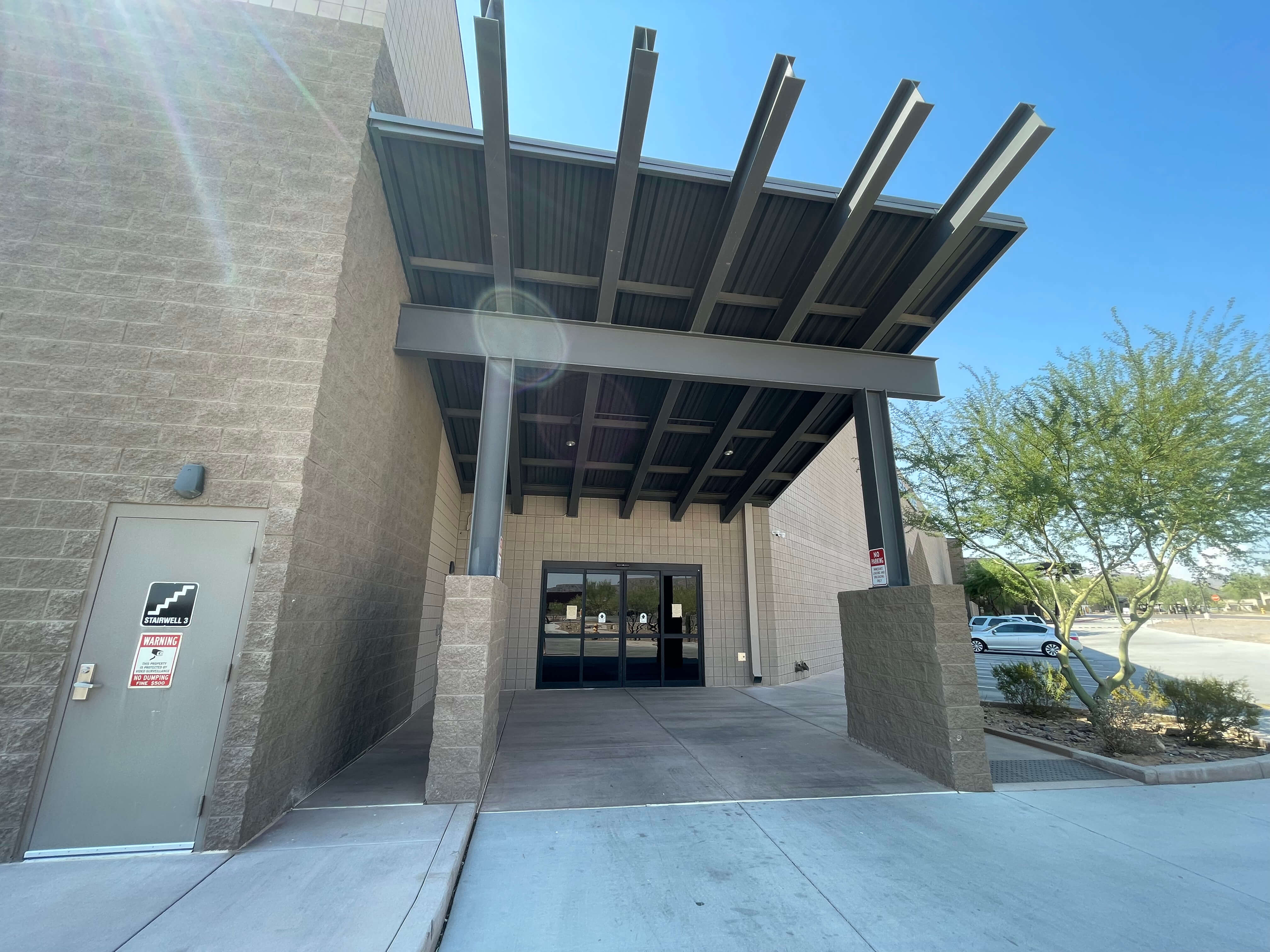
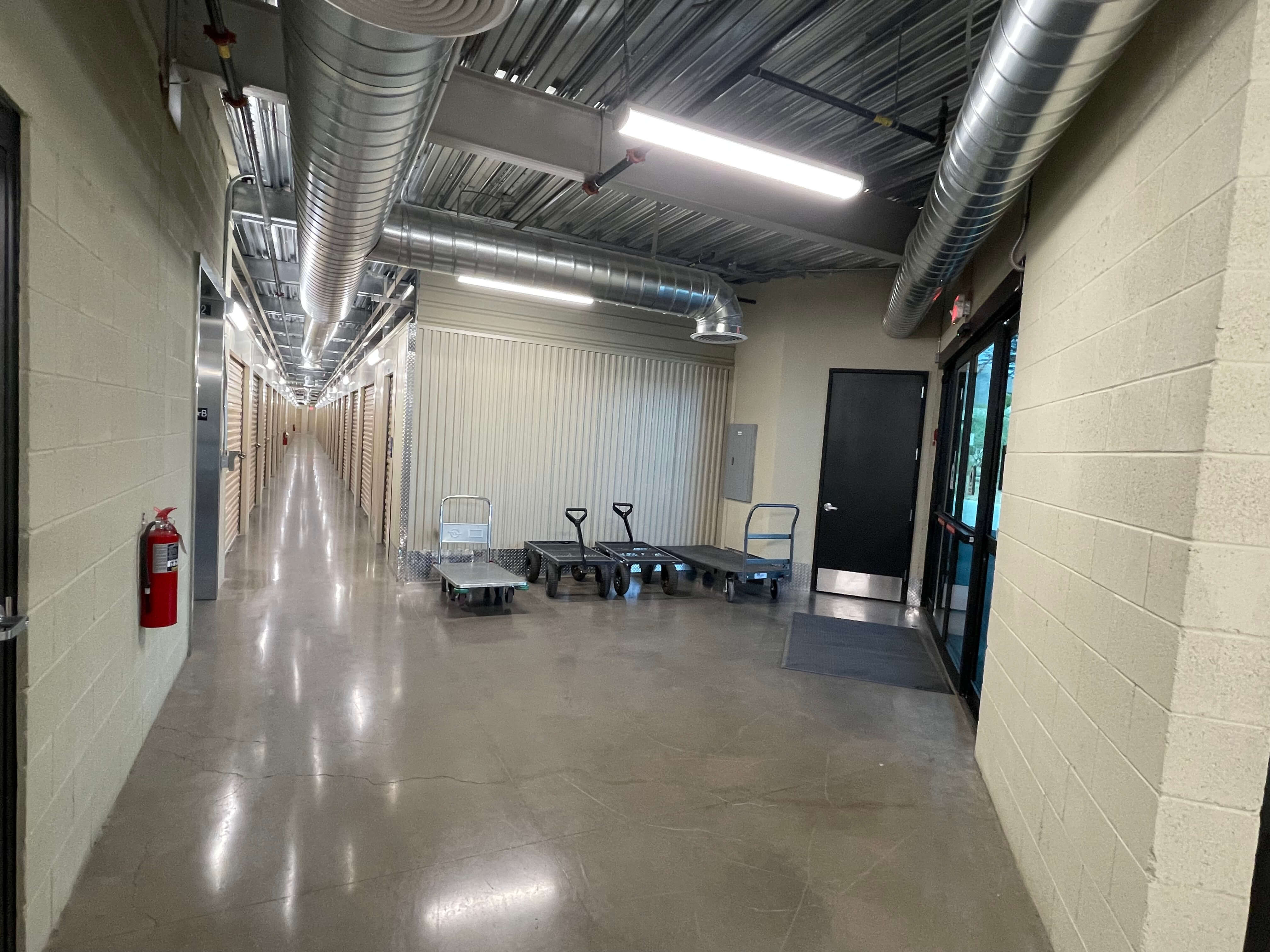
If your house, playroom, or children’s bedrooms are tight on space, remember there is a solution off-site: storing seasonal toys, extensive game collections, or bulky items in external storage allows you to keep only the most used items in the room. At McDowell Mountain Community Storage, we offer secure, clean, accessible units where you can store overflow items. This way, you free up your house space for the toys and items that matter most now — and bring others in when needed.
Off-site storage advantages:
- Free up precious floor and closet space in your home by moving extra boxes, large outdoor toys, or seldom-used items.
- Rotate items back into your child’s room when needed (perhaps after a birthday or new gift) — a kind of “toy library“ you control.
- Use shelving or stackable boxes in your storage unit to make it easy for items to be added and removed when you make changes.
- Keep the most frequently used items in the bedroom/playroom and store the rest — this supports toy rotation and keeps clutter to a minimum.
Final Thoughts: Tailored Design and Long-Term Efficiency
By combining vertical shelving, baskets and bins, multifunctional furniture, clearly defined zones, labeling, child-accessible storage, rotation, and off-site overflow options, you can create a toy-friendly environment that remains neat, accessible, and fun. Whether it’s the playroom, bedroom, or even the living room where children bring toys, applying these storage principles helps turn “everything everywhere“ into “everything in its place.”
For families at McDowell Mountain Community Storage, remember: storage isn’t just about putting items away—it’s about creating an organized, attractive, efficient space for children to play, learn, read, build, and imagine, while keeping your house and bedrooms clutter-free.
Reach out to our team if you’d like help planning the overflow storage component or selecting the right unit size to complement your home’s toy organization strategy. With the right design in place, you’ll be in control of storage and cleanup routines in no time.
Frequently Asked Questions (FAQs)
1. What are the best toy storage ideas for small apartments or condos?
For smaller spaces, focus on vertical organization and furniture that serves multiple purposes. Wall-mounted shelves, stackable bins, over-door organizers, and under-bed drawers enable you to store a large number of items efficiently. Opt for compact, modular furniture to keep every inch of space functional and clutter-free.
2. How can I make toy storage blend with my home décor?
To maintain a cohesive look, choose materials and colors that match your existing décor. Woven baskets, fabric bins, or wood-toned boxes can complement the style of your living room or bedroom. Decorative shelving, labeled trunks, or color-coordinated bins not only add visual appeal but also enhance organization and clarity.
3. What toy storage options work best for babies and toddlers?
For young children, use soft fabric bins, low open shelves, and labeled baskets to organize their belongings. Rounded corners and lightweight containers keep everything safe and accessible. These storage ideas not only protect babies from bumps and scratches but also make it easy for them to learn early tidy-up habits.
4. How can I involve my kids in keeping their rooms organized?
Make cleanup time fun by turning it into a game or challenge. Use colorful labels or add your child’s name to bins and cubbies for a personalized touch. Encourage them to sort items — like blocks, dolls, cars, and books — into separate containers. Positive reinforcement helps kids develop a sense of ownership and consistency in keeping their spaces tidy.
5. What are some affordable DIY toy storage ideas?
Creative DIY options include repurposing everyday household items such as crates, shoeboxes, or baskets. Decorate them with paint, washi tape, or stickers to match your child’s room. Hanging fabric pockets or wall racks are also simple and effective for storing art supplies, small toys, or craft materials neatly.
6. How often should I declutter or rotate toys?
A good rule of thumb is to declutter every few months. Sort toys into “keep,” “donate,“ and “store“ piles. Rotating toys helps keep playtime exciting and reduces the feeling of clutter. Fewer toys out at once also makes cleanup easier and helps children appreciate their collection more.
7. What’s the best way to organize small toys like LEGO, cars, or craft supplies?
Use clear containers or drawer organizers with dividers for small toys and accessories. Label each section clearly — “LEGO,” “art supplies,” “cars,“ etc. For extra efficiency, place these behind cabinet doors or inside low drawers where kids can easily reach them without making a mess.
8. How can I manage toy storage in shared spaces like the living room?
Opt for multi-use furniture — such as a coffee table with hidden compartments, ottomans with lift-up lids, or benches with built-in bins. These discreet storage pieces allow toys to be tucked away quickly, preserving the room’s décor while keeping play items easily accessible when needed.
9. What toy storage solutions help with quick cleanup routines?
Create a system that simplifies tidying up — a “cleanup corner“ or large catch-all basket is excellent for fast end-of-day organization. Keep labeled containers nearby so kids can quickly return toys to their designated places. A simple tip: use bright colors and visuals to guide children and make cleanup part of their play.
10. How can I handle overflow or seasonal toy collections?
When you have a lot of toys, rotate them seasonally or store off-season items in labeled boxes or stackable bins. Keep current favorites accessible, and store extra toys in closets, under beds, or in garage shelving. This approach minimizes clutter and ensures every product and play item has its proper place.