Smart Storage Hacks for Tiny House & Organization Ideas

Welcome to a complete guide by McDowell Mountain Community Storage, designed to help you maximize every inch of your tiny house with smart, multifunctional storage, efficient organization, and stylish design ideas. Whether you’re living full-time in a compact home or simply looking to declutter and streamline your space, this guide offers practical tips, creative DIY projects, and proven ways to transform limited square footage into a space that feels open, comfortable, and beautifully efficient.

From clever pegboard wall systems and dual-purpose couch designs to family-friendly zones that balance comfort and functionality, this content focuses on the most effective organization strategies for modern family living. You’ll learn how to create flow, reduce clutter, and integrate multifunctional furniture into every corner of your home — turning even the smallest spaces into bright, livable, and inspiring environments.

Plan Your Storage and Space Strategy from Day One

When you’re working with a limited footprint, the key is to plan how you’ll use every square foot—an intentional approach that transforms a compact layout into a livable, stylish space. A tiny home still needs to feel like an actual house, and to achieve that balance, you’ll need clear zones and an innovative use of walls, doors, floors, furniture, and storage space. With the right approach, you’ll uncover plenty of creative ways to design a storage solution that also serves as home decor, seamlessly blending practicality and style. Every inch should serve a purpose, offering a thoughtful solution that supports both comfort and efficiency.

Start by making a list of everything you own: clothes, shoes, linens, books, kitchen items, toys, decor, and bags. Then decide what you use every day, what you use some days, and what you can store away or donate. Evaluate your kitchen shelves, drawers, and cabinets carefully — even small changes can make a big difference in how your home feels and functions. Organization is a refined skill that evolves with your stage of life, and what works for one person or group may not suit another. The philosophy remains timeless: everything has a place, and everything in its place — a principle that helps maintain order, comfort, and harmony in every home.

Use Vertical and Hidden Storage to Free Up Floor Area

In a compact home, floor space is precious, and everything needs to earn its place. One of the best organizational strategies is to take your storage off the floor and use walls, ceilings, under furniture, behind doors, and inside built-in compartments. When you design thoughtfully, you can skip the clutter and create an open, breathable layout that feels larger than it is — all without sacrificing comfort or style.

Install wall-mounted shelving above a bed, add hooks on a door for bags or towels, or build cabinet drawers into the stairs. Hidden compartments make it easy to tuck away essentials while keeping surfaces clear, keeping the living room, kitchen, and bedroom functional and inviting. With a bit of creativity and planning, your space works harder for you — and you’ll find yourself saying thanks for every brilliant inch of storage you created.

Choose Furniture That Doubles as Storage

Furniture in a tiny house must play more than one role. A sofa, bed, desk, or table can also be a storage solution—helping you use every item in a multifunctional way.

Beds with built-in drawers or lift-up frames, couches that hide storage underneath, and desks that fold down are all innovative options. For example, a bed with drawers under the frame gives you space for linens, clothes, or shoes. A sofa with hidden compartments can store blankets, books, or extra pillows. A fold-out desk mounted on a wall can serve as a workspace and then disappear when not in use—leaving more room in your living space.

Maximize Your Kitchen Storage and Organization

The kitchen in a tiny house often becomes the center of activity, so you’ll want it to be both efficient and uncluttered. Start by using wall space for your pots, pans, utensils, and spices—freeing up cabinet interiors and counter space.

Hanging pot racks, magnetic knife strips, and pegboards help you store bulky items out of drawers. Pull-out cabinets, stackable containers, and narrow shelves make your storage space more efficient. Instead of one deep drawer filled with everything, separate items into baskets or bins on sliding shelves so you can access what you need without digging.

Optimize the Living Room and Multi-Purpose Areas

Your living room in a tiny home may serve as a living space, home office, entertainment area, and even a guest spot. To keep it organized:

  • Choose furniture with hidden storage (like under-sofa drawers) so items like books, toys, or blankets have a place to go.
  • Use vertical shelving on walls to display books, decor, or baskets for miscellaneous items.
  • Define zones within the same room—for instance, one side for seating and one for a desk or work area.
  • Keep the number of decorative “things” modest; over-decorating can make a small place feel cluttered fast.

Streamline Closet Space, Drawers, and Clothing Storage

When space is minimal, closets and drawers must work efficiently.

  • Decide whether you need more hanging space for jackets and dresses or more shelves and drawers for folded items.
  • Use slim hangers, double hanging rods, and under-shelf baskets to maximize vertical space.
  • Store off-season clothes in higher or less accessible spots and keep everyday clothes within easy reach.
  • Use open shelving for items you access often and closed cabinets for irregular or messy-looking items to reduce visual clutter.

Make the Bathroom Efficient and Storage-Smart

In the bathroom of a tiny home, even a few extra inches matter. Smart solutions include:

  • Wall-mounted cabinets and shelves above the sink or toilet to store towels, toiletries, and cleaning items.
  • Narrow shelving units behind the door or above the toilet tank for baskets holding extra towels or paper goods.
  • Hooks on the wall or door for towels and robes, freeing up shelf or cabinet space.
  • Drawers under the sink or modular pull-out bins inside cabinets so you don’t waste unused space behind doors.

Tackle the Bedroom and Under-Bed Storage

The bedroom may also serve as a living or working area in a tiny home. Use the bed area strategically:

  • Choose a bed frame with drawers underneath, or raise the bed to create usable storage boxes or compartments.
  • If you have a loft bed, use the space beneath it for a desk, sofa, or shelving rather than leaving it empty.
  • Use baskets or bins under the bed for shoes, linens, or seasonal items.
  • Keep surfaces minimal; clutter on nightstands or the floor quickly makes the room feel small.

Use Door, Wall, and Stair Spaces for Hidden Storage

Doors, walls, and stairs are often overlooked opportunities for storage — yet they can easily become stylish and functional storage solutions for small spaces when designed with purpose and creativity.

  • Use the backs of doors to hang organizers, hooks, or baskets to store everyday essentials.
  • Mount shelves and pegboards on walls to hold kitchen utensils, books, or decor while keeping surfaces clear.
  • If you have stairs or a loft, convert the steps into storage drawers or cabinets to maximize every inch of space in your home.

Adopt a Minimalist Mindset and Declutter Regularly

Even the best-designed storage won’t help if you keep accumulating unnecessary items. A key part of tiny-house living is maintaining a minimalist approach:

  • Regularly purge what you no longer need, use, or love.
  • Ask, “Does this item have a dedicated place?” If not, assign it to someone or consider donating it.
  • Use baskets or bins to group small items so they don’t scatter across counters and floors.
  • Keep your decor simple. Owning fewer things makes your space feel open and peaceful.

Create Multifunctional Areas and Furniture

In tiny homes, rooms often serve multiple purposes — the living room might double as a home office or guest area.

  • Use foldable furniture such as a wall-mounted desk, a collapsible dining table, or a sofa bed.
  • Invest in stackable and modular pieces like nesting tables and adjustable shelving.
  • Choose furniture with hidden compartments, such as ottomans, lift-top coffee tables, or window seats with built-in storage.
  • Design each area for multiple functions — for example, the kitchen counter can serve as both prep space and dining area.

Maximize Kitchen, Pantry, and Cabinet Storage

Your cabinets and pantry need to work hard in a small kitchen. Try these ideas:

  • Use pull-out shelves and narrow cabinets rather than one deep, hard-to-reach space.
  • Stack containers and baskets inside cabinets to group similar items, such as spices, snacks, or utensils.
  • Hang pots, pans, and bowls on hooks or pegboards to free up cabinet space.
  • Attach racks or magnets to the back of cabinet doors for small items.
  • Add under-sink or toe-kick drawers for rarely used items.

Organize the Garage, Storage Room, or External Storage Space

If your tiny home has external storage, such as a garage or storage unit, treat it as an extension of your home and apply the same principles of storage room organization to keep it efficient and clutter-free:

  • Store larger or seasonal items in labeled bins on shelves for easy access.
  • Use wall-mounted systems to keep tools and equipment off the floor and maintain open pathways.
  • Stack crates or use modular shelving to make better use of vertical space and improve visibility.
  • Follow a “use it or lose it” rule—if an item sits unused for too long, donate or discard it to keep your space clean and organized.

Keep Everything in Its Place and Maintain the System
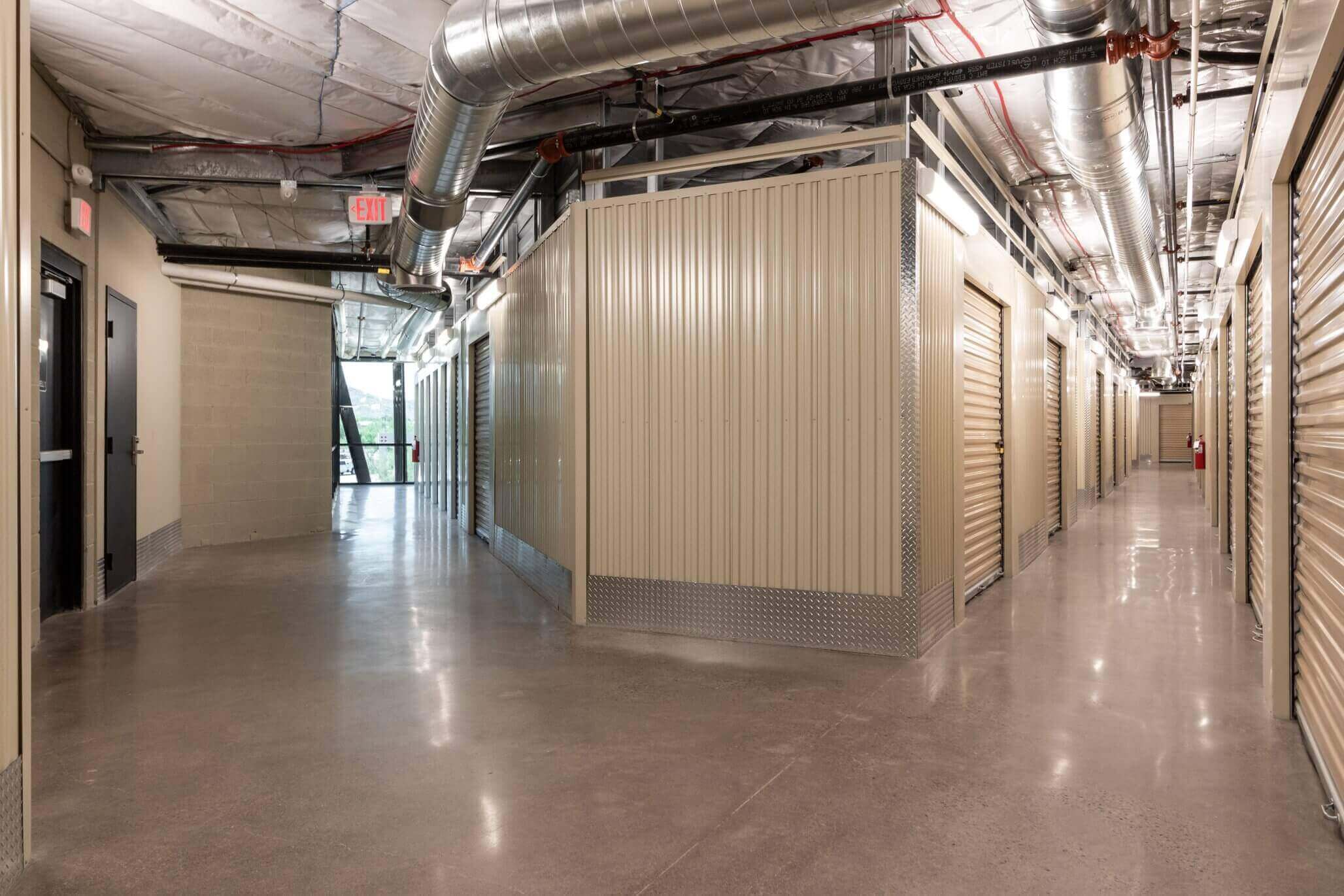
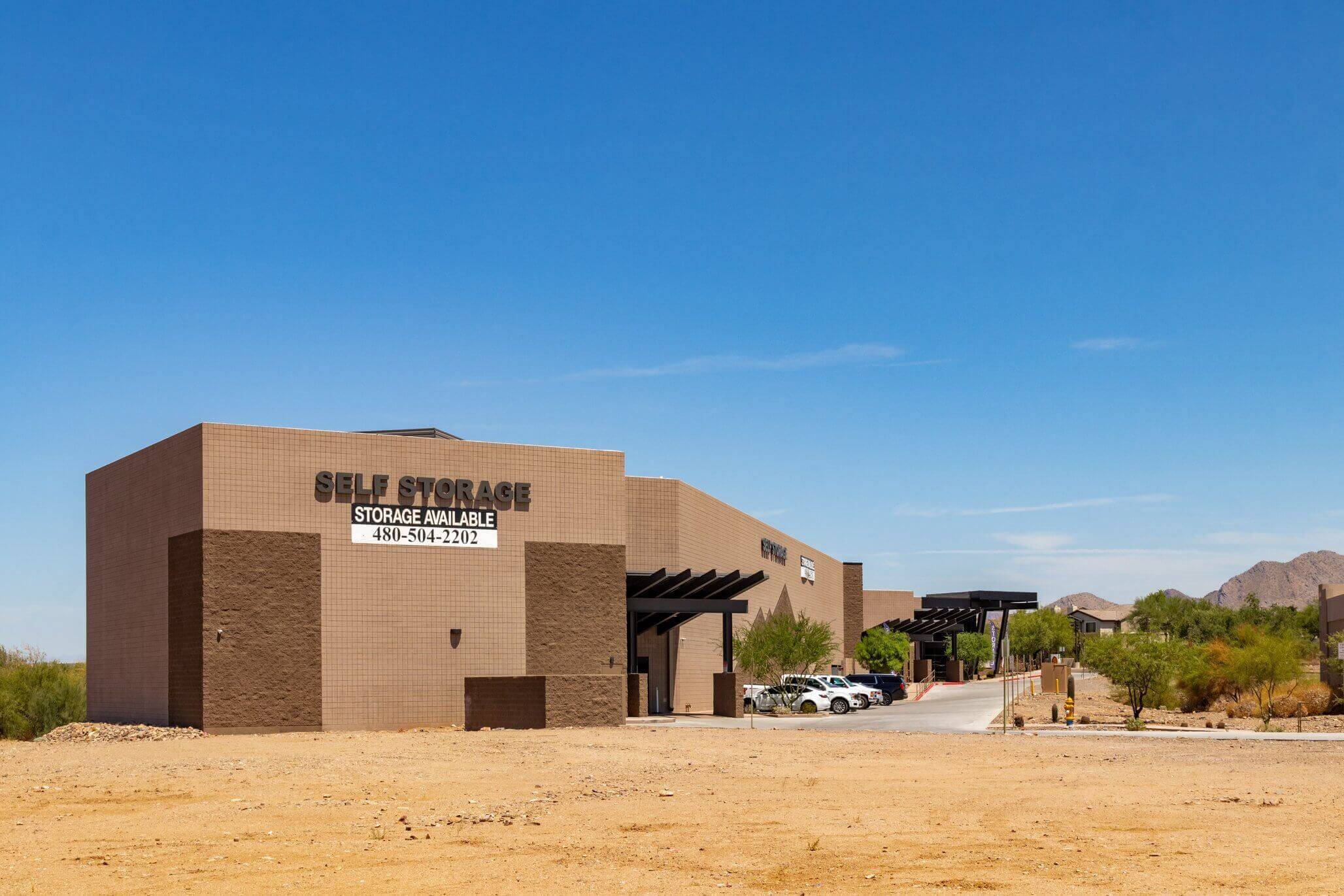
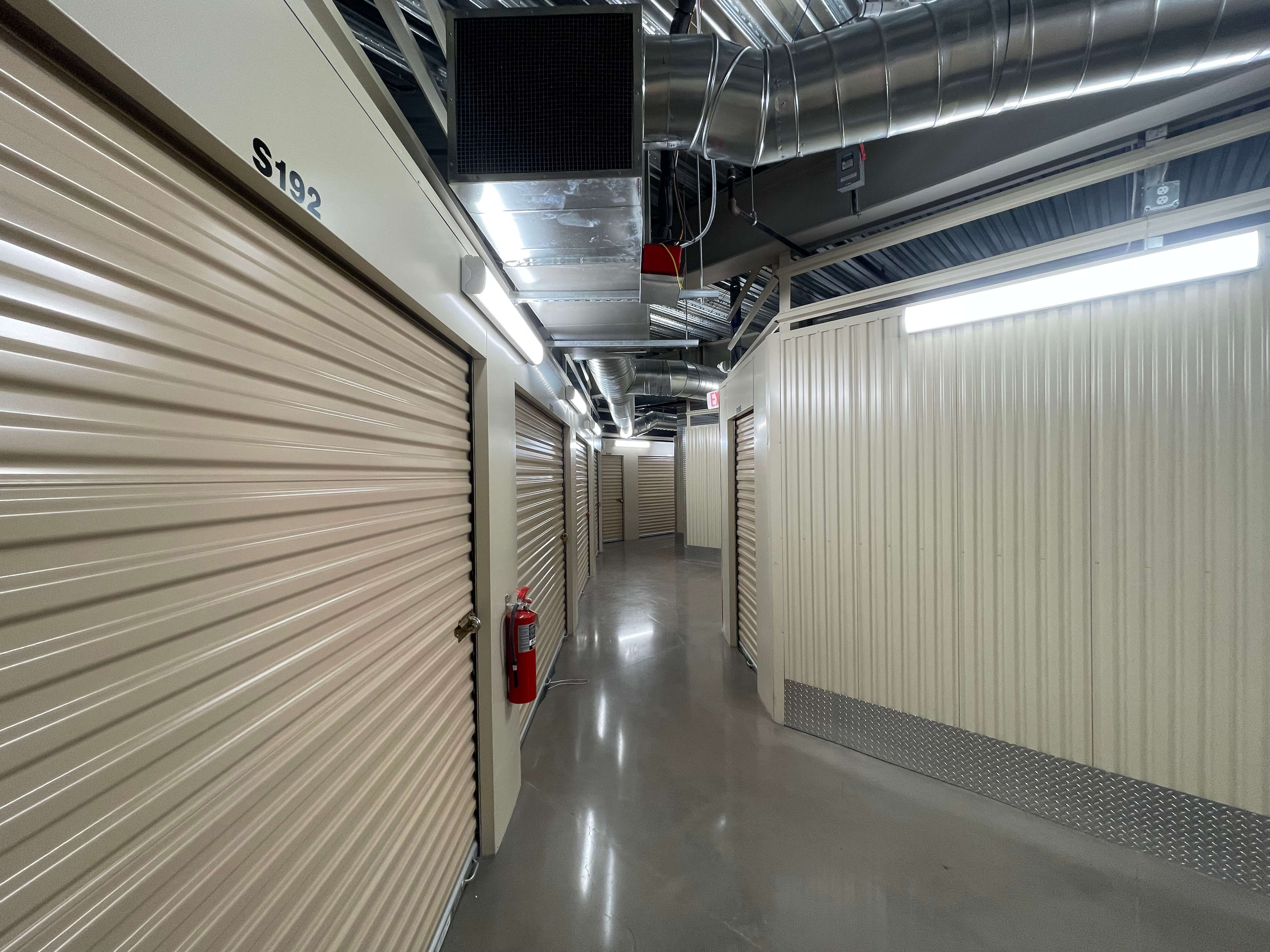
Organized tiny house storage and efficient organization methods at McDowell Mountain Community Storage Scottsdale Arizona
Learn tiny house storage hacks and organization strategies at McDowell Mountain Community Storage in Scottsdale Arizona

The final step in any organizational system is maintenance.

  • Label baskets, bins, drawers, and shelves so everyone in your home knows where things belong.
  • Make a habit of returning items to their spots immediately after use.
  • Schedule a monthly or quarterly declutter to reset your storage areas.
  • Review and adjust zones when needed—if a shelf or cabinet is overflowing, reorganize.
  • Update your layout as your lifestyle evolves.

The Effectiveness of Tiny Home Storage Hacks in Any Space 

Although this guide focuses on tiny homes, these organizational principles apply to any living space.

  • Efficient use of space: By leveraging vertical areas, hidden compartments, and multifunctional furniture, you make your home feel more spacious.
  • Reduced clutter and stress: When every item has a dedicated spot, visual clutter disappears, creating calm.
  • Adaptability: Modular, stackable, and foldable furniture helps your home evolve as your needs change.
  • Stylish function: Smart storage doesn’t have to be plain—it can integrate with your decor through shelves, pegboards, and custom cabinetry.

Final Thoughts from McDowell Mountain Community Storage

At McDowell Mountain Community Storage, we understand that external storage can complement your tiny-home lifestyle. When you have seasonal gear, spare furniture, or overflow items for the kitchen or bedroom, a clean, secure storage unit can help keep your home clutter-free.

The goal of the tiny-house organization is simple: make your space efficient, comfortable, and reflective of your lifestyle. By implementing these storage ideas, shelving strategies, furniture hacks, and organization habits, you’ll turn even the smallest home into a beautifully functional and stress-free environment.

If you’re ready to expand your living space beyond your walls, contact McDowell Mountain Community Storage for innovative, flexible storage solutions that fit your needs.

Frequently Asked Questions

1. How can I design a tiny house layout that prioritizes storage from the start?

When building or renovating a tiny house, start by planning storage into your floor plan — not as an afterthought. Integrate built-in cabinets beneath stairs, design loft areas for seasonal storage, and use vertical walls for shelving and pegboards. Early planning ensures your home has seamless, accessible storage without wasting precious square footage.

2. What are the best materials for durable and lightweight storage furniture in tiny homes?

Opt for lightweight yet strong materials such as plywood, bamboo, and aluminum. These materials offer long-lasting durability while keeping your furniture portable and easy to rearrange. Modular and foldable furniture made from these materials maximizes both storage and flexibility in compact spaces.

3. How do I keep my tiny home organized if I have kids or pets?

Family living in a small home requires zones and daily routines. Use labeled bins for toys, baskets for pet supplies, and under-sofa drawers for shared items. Vertical shelving keeps breakables out of reach, while foldable furniture helps open up play areas when needed.

4. What’s the best way to combine aesthetics and function in tiny house storage?

Your storage can double as home decor by choosing furniture with natural textures, minimalist finishes, and integrated shelving. Open wall shelves can display books or plants while storing essentials, and woven baskets or wooden boxes add warmth and visual harmony to your living space.

5. How can I make my kitchen feel bigger without losing storage space?

Maximize counter space by using wall-mounted racks, pegboards, and magnetic strips for utensils and pans. Clear jars, tiered spice shelves, and under-sink organizers help reduce clutter. Choosing light-colored finishes and reflective surfaces enhances the sense of openness in small kitchens.

6. What’s the difference between built-in and modular storage for tiny homes?

Built-in storage is customized for your space — ideal for stairs, beds, or walls — and maximizes every inch. Modular storage, on the other hand, consists of stackable, adjustable, or removable units. Many tiny-home owners combine both: built-ins for structure and modular units for flexible, evolving needs.

7. How often should I declutter in a tiny house to maintain organization?

In small spaces, quarterly decluttering is ideal. Review each room seasonally — closets, kitchen cabinets, and drawers — to decide what stays and what goes. Regular purging prevents clutter buildup and keeps your home efficient and calm year-round.

8. Can I still have hobbies or collections in a tiny home without creating clutter?

Absolutely. The key is selective display and efficient storage. Use floating shelves for curated collections, or hidden drawers for supplies. Foldable desks or wall-mounted craft tables can turn a corner into a hobby zone, allowing you to enjoy your interests without overwhelming your space.

9. What should I store in an external storage unit vs. in my tiny home?

Keep everyday essentials in your home — clothes, cookware, linens — and move off-season, bulky, or sentimental items to an external storage unit. Items like camping gear, sports equipment, holiday decorations, or spare furniture are ideal for McDowell Mountain Community Storage units. This approach preserves home comfort while ensuring everything remains accessible.

10. How can I maintain a minimalist lifestyle long-term in a tiny home?

Adopt a “one in, one out” rule — for every new thing you bring home, remove another. Prioritize quality over quantity, and invest in multifunctional furniture that reduces the need for extra pieces. Schedule regular reorganization sessions to reassess your layout and storage habits. With discipline and sound systems, minimalism becomes a sustainable way of life.
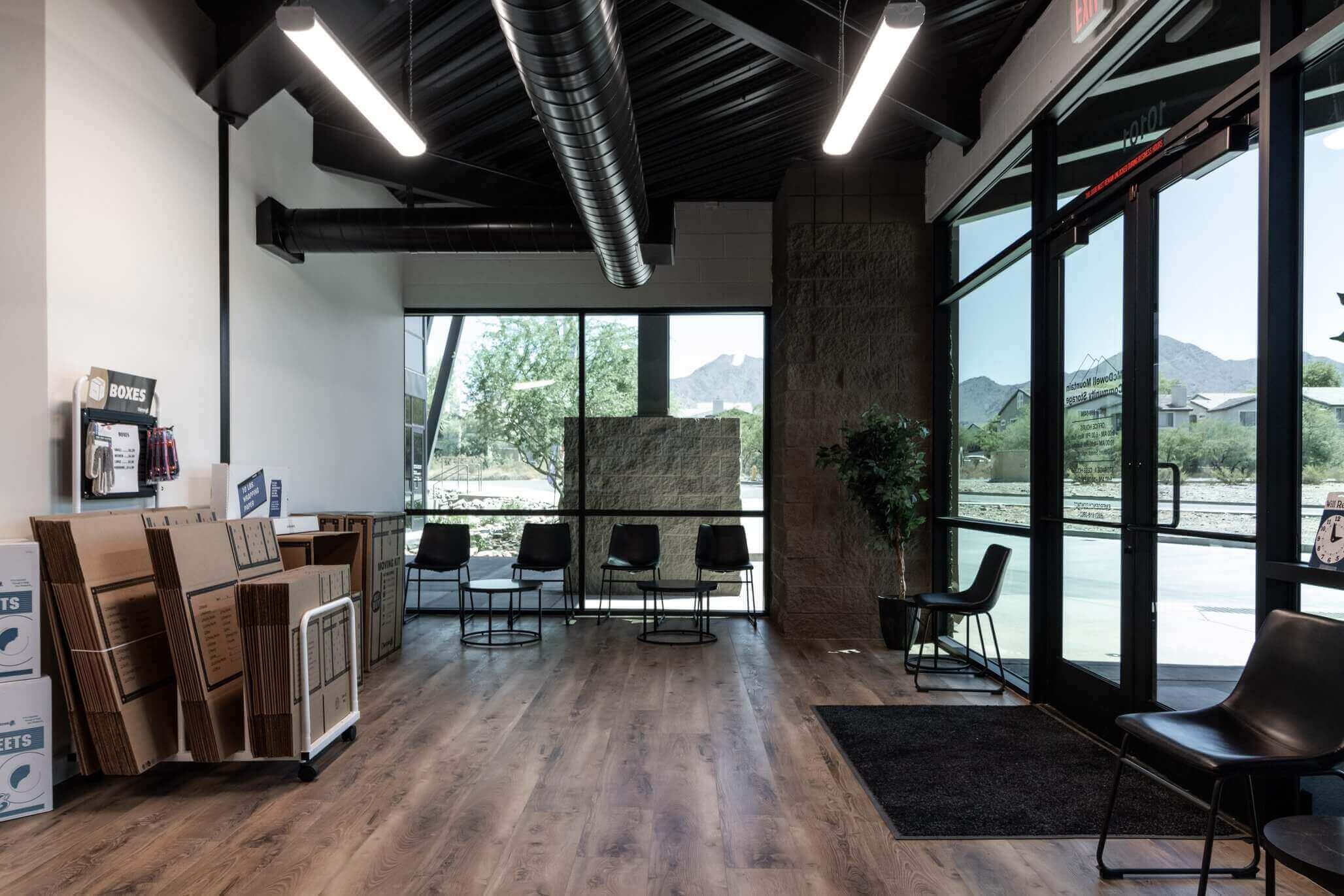
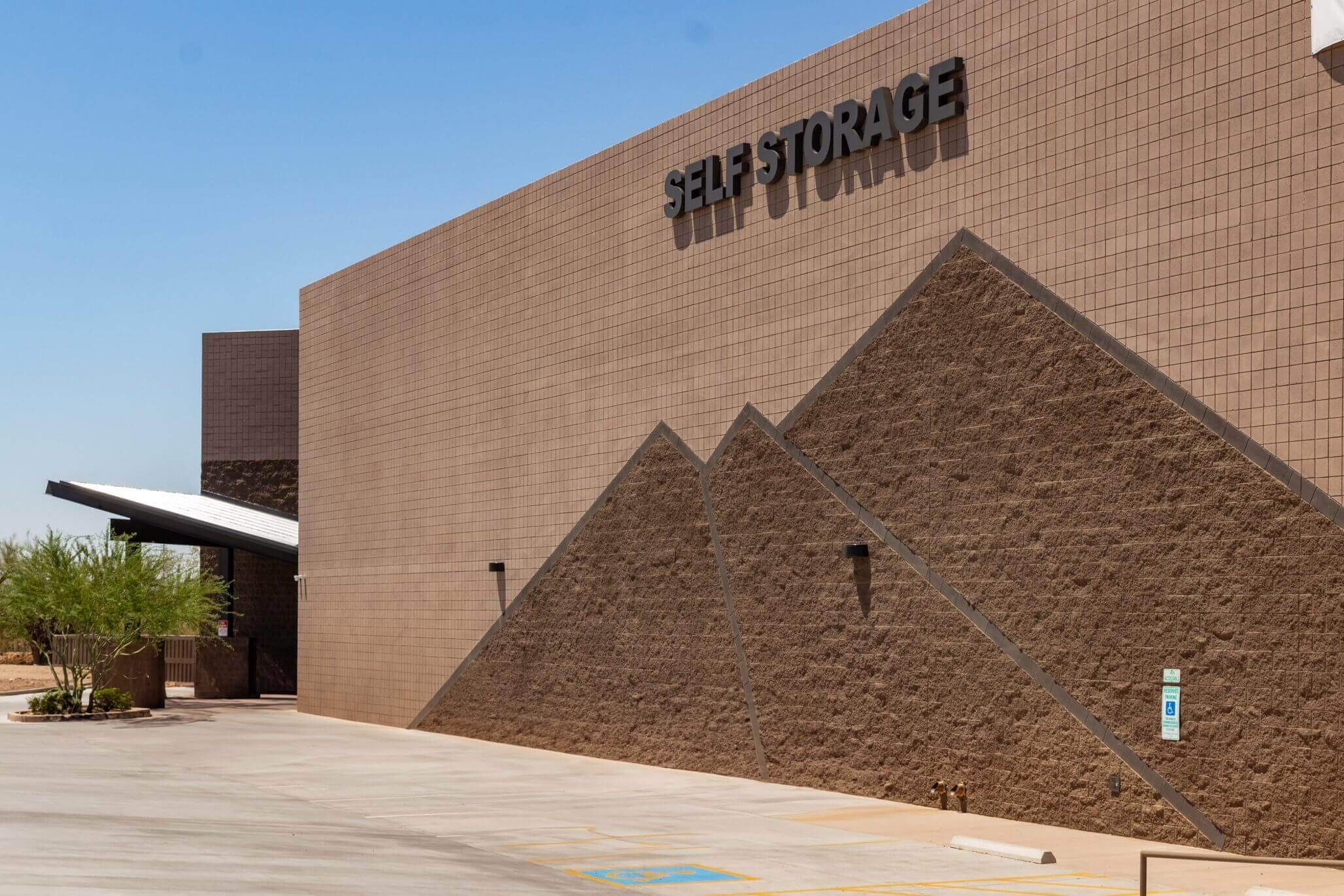
Use Storage To Declutter, Organize, And Save Space When Downsizing

When you’re ready to simplify life, reduce clutter, and embrace minimalism, moving from a larger house or condo into a smaller home means making thoughtful decisions about your belongings. At McDowell Mountain Community Storage, we understand that downsizing isn’t just about letting go — it’s about optimizing space and creating comfort. Smart use of shelves, compact furniture, and storage units helps you organize efficiently while keeping what truly matters most.

By maximizing every square foot, you can transform a smaller home into a functional, open space that reflects your lifestyle. Use your storage unit to safely keep extra items, seasonal décor, or a lot of treasured photos you’re not ready to part with. With the right strategy, downsizing becomes an opportunity to optimize your living space, reduce clutter, and enjoy a cleaner, more intentional way of living.

Establishing a Downsizing Plan and Inventory of Belongings

The first step in the downsizing process is to create a clear plan and inventory of your possessions. Start by listing the items and belongings you own — from furniture and appliances to photo albums, books, and household items. Understanding what you have helps you make decisions about what stays, what goes, and what might be best moved into storage.

Here are detailed steps for building your inventory:

  • Walk through each room (living room, kitchen, bedroom, basement, garage) and note down every item, whether large (sofa, couch, furniture) or small (books, photo albums, containers).

  • Measure each piece of furniture or large item you plan to keep: length, width, height. These measurements will matter when planning your new space or storage unit.

  • Count boxes, bins, and storage containers already in use (for seasonal items, photo albums, documents, heirlooms).

  • Record the reason or purpose for each item: “I use this once a year,” or “family heirloom,” or “daily appliance.” Such annotation helps clarify what must remain in the home vs. what can be stored or let go.

  • Estimate the amount of space each category occupies (for example: six bookcases of books, three large boxes of childhood memorabilia).

Having a detailed inventory gives you a foundation for the downsizing strategy and helps you evaluate storage options, storage unit size, cost, and how much to move into storage vs. keep in the home.

Decluttering and Sorting Items for Downsizing

Once you have your inventory and plan, the next vital step is decluttering — sorting through your items and making decisions about what stays, what goes, and what moves to storage. This is a critical part of the downsizing process because clutter and excess belongings often create stress and block the path to a simpler life. To declutter your home fast, start small and focus on one room or section at a time, setting clear goals for each session. Involve your family members to share ideas and find ways to maximize space efficiently, whether at home or in your storage area. Use technology to organize information, track progress, and stay on the road to a smoother move — especially if you’re balancing business, personal needs, and home transitions all at once.

Here’s how to tackle decluttering effectively:

Create sorting categories

  • Use boxes or containers labeled “Keep in Home,” “Move to Storage,” “Sell / Donate,” “Recycle / Discard.”

  • For items you rarely use but want to keep (e.g., out-of-season clothing, heirlooms, photo albums), assign them to “Move to Storage.”

  • For things that are broken, outdated, or unused (appliances that no longer work, duplicate items, old décor), assign them to “Recycle / Discard” or “Sell / Donate.”

Apply practical rules

  • Follow the “20/20 rule”: if an item can be replaced for under $20 and within 20 minutes, it’s a candidate to let go.

  • Consider if you have multiples of something (two or three of the same appliance or piece of furniture). One may suffice.

  • Ask yourself whether each item is still useful, still loved, or still fitting your new lifestyle. If not, it may be time to part with it.

Use containers and storage boxes

  • As you sort, use labeled boxes, bins, and containers to group similar items — holiday décor, photo albums, sentimental items, kids’ toys.

  • Stackable containers make it easier to move things into a storage unit later.

  • Keep a written or digital list of what’s inside each box, so you maintain access and track what is being moved.

Tackling emotional items

  • Family heirlooms, photo albums, childhood memorabilia, and other sentimental pieces often cause the most hesitation. Decide if they need to stay in your living space or if they can live in a storage unit for lesser-frequent access.

  • If certain pieces are purely for memory rather than daily use, moving them into storage can free up valuable living space while preserving their value.

Choosing the Right Storage Unit Size and Features

Selecting the right storage unit is a key strategic move in your downsizing journey. Before choosing, ask yourself a simple question: what do you truly need to keep close, and what can rest securely elsewhere? Consider your situation, family size, children, animals, and even your city’s storage options. The right unit should fit your lifestyle and the details of your daily routine. In fact, involving friends or family can help you generate the best idea for organizing each section efficiently. Remember, bringing in too many items or picking the wrong size unit can turn a helpful task into unnecessary clutter — so plan carefully and store only what truly matters.

Evaluate your storage needs

  • Based on your inventory, estimate the number of boxes, containers, furniture pieces, and large items (appliances, furniture) you’ll move into storage.

  • Consider the footage and layout of your storage unit relative to the size of your items. Many storage companies provide size guides.

  • Take into account whether you want access to your items frequently (e.g., seasonal décor, kids’ toys) or rarely (archives, old documents). That will affect what type of unit makes sense and how you organize it.

Features to look for in a storage facility

  • Climate-controlled units: ideal for items like photo albums, documents, heirlooms, leather furniture.

  • Good shelving and layout: enables better access, organization, and maximizes the storage space.

  • Secure access and monitoring: peace of mind for your valuable items.

  • Several unit sizes and flexible lease terms—helpful for phased moving.

  • Nearby location to your home or move path: simplifies the move-in logistics and costs.

Estimate cost and value

  • The cost of the storage unit must be weighed against the value of freeing up living space and downsizing your home.

  • Often renting a smaller unit short-term during your transition can be a strategic move: store furniture temporarily while you finish the move, sell items, or settle into your new home.

  • Compare different storage solutions and companies to find the best value and flexibility.

Using Storage Strategically During the Move and Transition

The move itself is a major part of the downsizing process. Whether you’re relocating within your city or to a new zip code, using a trusted storage company can make all the difference. Here’s how you can use the storage unit as part of that strategy to reduce stress, optimize space, and manage your transition smoothly. Coordinate with others or someone you trust to handle your collection of items carefully, ensuring your rights are protected. You can also donate belongings to goodwill or local locations to simplify your move and make a positive impact while keeping only what truly matters — without holding on to anything unnecessary.

Creating a staging zone

  • Before you move into the smaller space or your new home, use the storage unit as a staging zone. Move large furniture or appliances there temporarily, especially if you’re selling or re-arranging rooms.

  • Use the storage unit to hold items that you’re unsure about — give yourself a checklist: if you don’t retrieve them in 3 or 6 months, they may be ready to be sold or donated.

Prioritize what goes direct to new home

  • Some items must go directly to your smaller space: everyday furniture, appliances, boxes of daily use items.

  • Items that are seasonal, rarely used, or purely for memory value can go to the storage unit.

  • This approach helps keep your new living space tidy and avoids bringing in unnecessary stuff.

Coordinate with movers and schedule

  • Use the storage facility’s schedule and access hours in planning your move.

  • Arrange the timing so your move-in to the smaller home, the storage unit drop-off, and any sale or donation of unwanted items all align.

  • The use of a storage unit can reduce rush, giving you breathing room and less pressure during the move.

Managing cost and access

  • If you plan to access the unit frequently (for seasonal items, holiday décor, family heirlooms), choose a facility with convenient access hours and reasonable unit size.

  • If there is infrequent access, you may choose a unit in a less premium zone — cost savings matter.

  • Keep a list of what’s in the storage unit, the date moved in, and your planned revisit date.

Maximizing Your Living Space After Downsizing

Once you’ve moved into your smaller home or condo and stored the selected items, the work of making the most of your new living space begins. In this case, taking care to plan your layout and stock only what you truly need helps maintain balance and comfort. This is where smart shelving, furniture choices, containers, and minimalist lifestyle changes pay off. By organizing your daily activities efficiently, taking advantage of dead space, using vertical storage, and choosing multi-functional furniture, you can create a practical and peaceful home that feels open and inviting.

Optimizing furniture and space

  • Choose furniture that serves double duty (for example: a couch with hidden storage, an ottoman that lifts for storage, a table that folds down).

  • Use vertical shelving in closets, living rooms, and even kitchens — free up floor space by going up.

  • Install shelving or containers in under-used spaces (under stairs, above door frames, over tubs).

Using containers, bins, and boxes

  • Clearly label boxes and containers so you know exactly what each holds — this reduces stress when you need to retrieve something later.

  • Use stackable bins, nesting containers, vacuum bags for off-season clothing or linens, and storage boxes for photo albums and documents.

  • Keep a list or digital record of how many boxes you have, what’s inside, and where they are located (home vs. storage unit).

Living with less “stuff”

  • Transitioning to a smaller home often means adopting a more minimalist lifestyle. Sort, donate, recycle, arrange, and simplify your items and belongings.

  • Keep only what adds value to your life, purpose to your space, or brings you comfort. If some items are purely sentimental but rarely used, the storage unit may serve as their home rather than your living room.

  • Regularly revisit your “Keep in Home” list and adjust — items may shift to storage or be removed entirely.

Maintain efficiency and ongoing organization

  • Avoid letting piles of boxes or unsorted items creep back into your home. Use the 80/20 rule: fill only about 80% of your shelf or storage volume and leave 20% empty to allow breathing room and avoid clutter.

  • Scheduled check-ins: once a quarter, review your closets, drawers, and containers. Ask: Do I need these items? When was the last time I used them?

  • Keep the path of access simple: label everything, keep frequently used items in easy-reach containers, and store rarely used items in less convenient places (or in the storage unit).

Financial Considerations and Value of Using Storage

Downsizing isn’t just about space — it’s also about money, value, and how you use your resources. Using a storage unit as part of your plan can make financial sense if approached wisely, especially when you apply smart strategies and tips to save on storage unit costs throughout the process.

Budget and cost estimation

  • Estimate the cost of your storage unit (monthly rent, insurance, transportation).

  • Compare that to your potential savings by moving into a smaller home: lower rent or mortgage, lower utilities, less maintenance, less energy use.

  • Consider selling items you don’t need (garage sale, online marketplace) to generate cash that offsets moving or storage costs.

Value beyond dollars

  • Extra open space in your smaller home translates into comfort, less stress, fewer belongings to maintain, and more time and energy for other aspects of life (family, retirement, hobbies).

  • Having a well-organized storage unit means you can keep items with sentimental or financial value (family heirlooms, photo albums, documents) without them cluttering your everyday environment.

  • The decision to keep items but store them securely means you don’t have to “get rid of everything,” you’re just relocating them.

Long-term cost optimization

  • Use the storage unit as a transition tool: during the move, you may need to keep some furniture or items temporarily while you sell, donate, or reconfigure.

  • After a set period (6-12 months), evaluate what remains in the unit. If you haven’t accessed something in that time, you might sell or donate it, reducing storage cost further.

  • Keep track of each item’s value: if it costs more to store than it’s worth or used, then it’s time to make a hard decision.

Practical Tips and Checklist for Downsizing With Storage

A homeowner organizing belongings while using McDowell Mountain Community Storage in Scottsdale, Arizona to downsize their home
Homeowners in Scottsdale, Arizona can simplify the downsizing process by using McDowell Mountain Community Storage for secure and flexible storage options.

Below is a practical checklist to guide your use of storage while you downsize your home:

  •  Create an inventory of items, including furniture, appliances, containers, boxes, photo albums, documents.

  •  Measure large pieces and furniture, note sizes in your plan.

  •  Sort all your belongings into “Keep in Home,” “Move to Storage,” “Sell/Donate,” and “Recycle/Discard.”

  •  Choose appropriate storage unit size and features, based on your inventory and access needs.

  •  Use labelled boxes and containers for items heading to storage – record what’s inside each.

  •  Stage your move: use storage as a buffer zone during transition, put less-used items there.

  •  Move daily-use items directly into your smaller home; redirect seasonal or rare-access items to storage.

  •  Select furniture and storage solutions in your new home that maximize vertical space, under-used areas, and double-duty pieces.

  •  Implement a regular maintenance rhythm: review closets, drawers, containers quarterly; use the 80/20 rule to avoid overfilling.

  •  Review your storage items after 6-12 months: assess access frequency, cost, value, and decide if you still need them.

  •  Sell items you no longer need via garage sale, donation, or resale platforms to generate cash and reduce cost.

  •  Maintain a list or digital record of what’s in your storage unit, where it’s located, and when you may revisit it.

Addressing Common Challenges and Solutions

Challenge: Overwhelm at the beginning

You may face a daunting number of boxes, furniture items, or decisions. The solution: break it down into rooms and sections, tackling one at a time — closet, kitchen drawers, basement, or garage. This step-by-step approach not only reduces stress but also brings the benefits of clearer organization and smoother progress throughout your downsizing journey.

Challenge: Emotional attachment to items

Many people struggle to let go of belongings for reasons of memories, family, or future “someday use.” The solution: allocate those sentimental items to your storage unit rather than your main living space — you retain them without crowding your life.

Challenge: Lack of space in new home

Smaller homes, apartments, or condos often have less closet and storage space. The solution: use the storage unit for overflow items and invest in smart shelving and containers inside your home.

Challenge: Unclear budget or ongoing storage cost

Storage costs add up if you don’t revisit them. The solution: treat the unit as part of your downsizing budget, plan for a defined time-frame, and regularly assess whether items are still needed.

The Mindset Shift — From a Big House to a More Intentional Home

Downsizing isn’t just a move, it’s a mindset shift. The way you view your belongings, space, and living environment changes. You’ll move from “everything I own” to “everything I keep is intentional.”

  • Focus on purpose: each piece of furniture, each container, each box has reason behind it.

  • Embrace less is more: fewer belongings means less maintenance, less cleaning, less stress.

  • See the storage unit not as exile for unwanted items but as a strategic extension of your home — one place where you keep items that support you, even if they’re not in daily reach.

  • Recognize the value in freeing up your living space: more light, more movement, more comfort, more ease.

  • Use your new smaller space as an opportunity to reshape your lifestyle: rearrange rooms, rethink how you use areas (living room, guest room, home office).

Smart Storage Solutions Supporting Your Downsizing Journey

At McDowell Mountain Community Storage, we provide the storage solutions you need during and after your downsizing process. Here’s how we help:

  • A variety of unit sizes so you only pay for the space you actually need.

  • Flexible lease terms to align with your move schedule and transition.

  • Secure, climate-controlled units for your valuable items: photo albums, family heirlooms, documents.

  • Convenient access that makes retrieving boxes or containers easy, should you need to.

  • Professional staff that can help you with advice, whether you’re in the discovery phase of your inventory or unpacking after your move.

  • Proximity to your new home can reduce transportation costs, make the move smoother, and integrate easily into your strategy.

Final Thoughts — Streamline Your Belongings, Maximise Your Space, Enjoy Your Life

Downsizing your home is about aligning your space with your lifestyle, priorities, and future goals. By creating an inventory, sorting items, choosing the right storage unit, and staying organized, you gain freedom, flexibility, and a home that truly fits your needs.

Whether moving to a smaller apartment, transitioning into retirement, or simply embracing minimalism, smart storage helps you simplify and optimize your environment. Remember — it’s not about how much you keep, but how well your space supports your life. Use storage wisely, reduce clutter, and enjoy a more intentional, balanced home.

Frequently Asked Questions

1. How far in advance should I start planning my downsizing and storage process?
Begin planning at least 2–3 months before your move to allow enough time to sort, declutter, and choose the right storage options.

2. What’s the best way to decide between renting a storage unit or using home-based storage solutions?
If you need extra space during transition or for long-term items, a storage unit is best; if it’s for short-term overflow, use in-home solutions like shelves or compact containers.

3. How do I keep track of what’s stored without constantly visiting my storage unit?
Use a digital inventory or storage app with photos and item lists to track what’s stored and where.

4. What items should never be placed in a storage unit?
Avoid storing perishable food, flammable materials, live plants, animals, or hazardous chemicals.

5. Can I store business inventory or documents while downsizing my home office?
Yes — climate-controlled units are ideal for storing business documents, equipment, and stock securely.

6. How do I prepare fragile or valuable items for long-term storage?
Use bubble wrap, sturdy boxes, and moisture barriers; label boxes “fragile” and place them on shelves rather than the floor.

7. What should I look for in a storage facility’s security features?
Check for gated access, 24-hour video monitoring, individual locks, and proper lighting for safety and peace of mind.

8. How can I make my storage unit easy to access and organize later?
Place frequently used boxes in front, label all sides, and leave walking space down the middle of the unit.

9. Are there insurance options for items kept in storage?
Yes — many facilities offer storage insurance, or you can extend your homeowner’s or renter’s policy to cover stored belongings.

10. What are some long-term benefits of using storage while downsizing?
It allows flexibility during life transitions, protects sentimental or seasonal items, supports a minimalist home, and reduces stress while you adjust to your new space.

Storage Units Are Large, While Lockers Are Small And Affordable

When it comes to finding extra space for your belongings, choosing the proper storage solution can make all the difference. Whether you’re in the midst of a move, downsizing your home, managing business inventory, or simply looking to declutter, storage facilities offer a safe and convenient way to protect what matters most. However, with various storage options available — ranging from compact lockers to full-sized storage units — it can be challenging to determine which one best suits your specific storage needs, budget, and lifestyle.

When exploring storage options, it’s essential to understand the key differences between storage units and storage lockers. Each offers unique advantages in terms of size, features, cost, and accessibility. By learning the key differences, you’ll be able to make an informed decision and choose the best storage solution for your items at McDowell Mountain Community Storage — where security, flexibility, and convenience come together to give you peace of mind.

Storage Units Defined: Roomy, Flexible Spaces

A storage unit is a private, enclosed space inside a self-storage facility where you can rent enough room to accommodate furniture, appliances, boxes, and even vehicles. This article highlights that storage units are ideal for a wide range of situations, whether you’re storing household items, necessary paperwork, or business equipment. Storage units come in a variety of sizes, ranging from small, closet-sized spaces to extensive, garage-sized options, allowing you to choose the correct location and capacity for your specific needs. Many units include features such as drive-up access, climate control, and ground-floor accessibility, making them a flexible and secure alternative to smaller storage options. 

Storage units are ideal when your storage needs exceed what a locker can handle — such as storing household contents, business inventory, or larger items. Available across multiple locations, these units offer easy access and consistent quality, regardless of where you store them. Due to their versatility, storage units are the most common option offered in modern storage facilities, providing excellent flexibility for both short-term and long-term use.

Storage Lockers Defined: Compact, Budget-Friendly Compartments

A storage locker is a smaller, vertical compartment designed for lighter storage purposes. Lockers are typically limited in size and height, often around 4×5 feet or less. They are ideal for storing documents, seasonal gear, small electronics, or boxes of personal belongings.

Lockers are a cost-efficient solution for individuals or businesses with minimal storage needs. They allow you to pay only for the space you actually use. While they don’t offer the same capacity or range of features as full-sized units, they provide a secure and organized place for smaller items that don’t require a lot of room.

Size & Capacity: How Much Can You Store?

  • Storage lockers are limited in capacity and are better suited for smaller, stackable items. Their compact footprint means you won’t be able to fit tall furniture or large boxes inside.
  • Storage units, on the other hand, come in many sizes — from 5×5 feet for smaller needs to 10×30 feet or larger. This wide range allows you to select a unit that precisely meets your storage requirements.

Due to this flexibility, units can accommodate household storage, business inventory, vehicles, and equipment, including motorcycles, boats, and RVs. If you have large or bulky belongings, a unit is usually the best option.

Cost & Value: What You Pay vs. What You Get

  • Storage lockers typically cost less per month due to their smaller size and reduced overhead. They are ideal for individuals who require a modest amount of extra space without incurring the cost of unused capacity.
  • Storage units vary in cost depending on size, features, accessibility, and whether they include climate control. Although more expensive, they often offer better value for those with larger storage needs.

If your storage goals are small-scale or temporary, a locker can help you save money. But if you’re storing furniture, appliances, or vehicles, a larger unit delivers better long-term value and flexibility.

Access & Convenience: Ease of Getting to Your Items

  • Storage lockers are often located inside hallways or multi-level buildings. This offers additional security but can make it difficult to move large items.
  • Storage units typically provide drive-up access or ground-level entry, making loading and unloading easier. You can bring a vehicle, dolly, or ramp directly to your unit, making heavy lifting easier.

If you expect frequent visits or need to store large or heavy belongings, a storage unit offers more convenient access and organization options. This flexibility also benefits students managing dorm move-outs or seasonal transitions — making it a valuable insight often featured in a guide to self storage for college students

Climate Control & Environmental Protection

A significant difference between units and lockers is the availability of climate control. Many storage units include climate-controlled environments to regulate temperature and humidity, protecting sensitive items such as electronics, artwork, furniture, photos, and musical instruments.

Most storage lockers are not climate-controlled and remain in ambient conditions. If your belongings are susceptible to damage from heat, cold, or moisture, a climate-controlled unit is a safer choice.

Climate control also helps prevent mold, mildew, and warping — one of the key benefits of a climate-controlled storage unit, making it essential for long-term storage solutions or valuable personal items. 

Versatility & Use Cases

When to Choose a Storage Locker

  • Best for small items, such as documents, clothing, and seasonal gear.
  • Suitable for students, apartment dwellers, or minimalists.
  • Affordable option for short-term or low-volume storage.
  • Easier to keep tidy and organized.

When to Choose a Storage Unit

  • Ideal for furniture, appliances, business inventory, or multiple boxes.
  • Can accommodate vehicles, boats, or RVs.
  • Offers flexibility to upsize or downsize as your needs evolve.
  • Provides climate control, security, and drive-up convenience.
  • Works well for both household storage and commercial purposes.

Pros & Cons Summarized

Storage Lockers

Pros:

  • Lower monthly cost.
  • Compact and easy to manage.
  • Great for small belongings and personal items.
  • Simple organization and minimal maintenance.
  • Often located indoors for added security.

Cons:

  • Limited size and capacity.
  • Not suitable for large furniture or vehicles.
  • Rarely offer climate control or extra features.
  • Access may require stairs or shared hallways.
  • Less availability in some facilities.

Storage Units

Pros:

  • Wide range of sizes and options.
  • Supports vehicle storage for cars, motorcycles, RVs, and boats.
  • Drive-up access makes loading easier.
  • Climate control is available in many units.
  • Perfect for household storage, business inventory, and equipment.
  • Flexible rental terms for changing storage needs.
  • Available at most self-storage facilities with modern amenities.

Cons:

  • Higher cost compared to lockers.
  • A larger space requires more organization and effort.
  • May require longer-term planning to optimize usage.

Making the Decision: What to Evaluate

When choosing between a storage unit and a storage locker, consider the following factors:

  • What you plan to store – bulky items, vehicles, or numerous boxes favors a unit.
  • How often you’ll access items – frequent visits are easier with drive-up access.
  • Environmental sensitivity – choose climate-controlled storage for delicate items.
  • Budget – Lockers are more affordable for those with limited storage needs.
  • Flexibility – units allow for scaling up or down as your requirements change.
  • Convenience & accessibility – units offer better paths for loading and unloading.
  • Security – larger units often have enhanced surveillance and gated entry.

Evaluating your storage situation with these factors in mind helps ensure your belongings are safe, accessible, and well-protected.

Comprehensive Storage Solutions

Storage units and storage lockers provided by McDowell Mountain Community Storage in Scottsdale Arizona
McDowell Mountain Community Storage in Scottsdale Arizona provides convenient storage units for personal and business use.

At McDowell Mountain Community Storage, we pride ourselves on offering a comprehensive range of storage solutions — from compact storage lockers to spacious storage units — to meet every storage need.

Variety of Sizes & Options

We offer a wide range of unit sizes and locker options, allowing you to find the perfect fit for your belongings. Whether you need a small locker for a few boxes or a large unit for furniture, we make it easy to choose the right space through a clear comparison of storage options tailored to your needs.

Climate Control & Protection

Our climate-controlled units maintain a consistent temperature and humidity, helping to protect sensitive items such as electronics, documents, and instruments. For those storing vehicles, equipment, or appliances, we ensure that each unit provides adequate security, access, and protection.

Vehicle & Equipment Storage

We offer vehicle storage for cars, motorcycles, boats, and RVs. Our secure facility includes drive-up access for easy entry and exit, with ample space to maneuver larger vehicles safely.

Security & Accessibility

Each storage facility is equipped with modern security systems, gated access, and surveillance cameras to provide peace of mind. Our goal is to combine convenience, protection, and flexibility to meet the expectations of every customer.

Flexible Rental Terms

Your storage needs may change over time, and we make it easy to adjust your unit or locker size as needed. With transparent pricing and flexible agreements, you’ll always have control over your storage solution.

Tips to Maximize Your Storage Experience

  1. Plan your layout – create aisles for accessibility and label boxes clearly.
  2. Stack safely – place heavier items at the bottom and lighter ones on top.
  3. Use shelving – vertical storage helps maximize space and organization.
  4. Wrap and protect – use covers for furniture and appliances to prevent damage.
  5. Opt for climate control when storing delicate or valuable items.
  6. Maintain an inventory – keep track of all stored belongings.
  7. Check security features – ensure your facility offers proper lighting and monitoring.
  8. Insure valuables – protect your items with appropriate coverage.

These strategies help you make the most of your rented storage space, whether it’s a locker or a full-sized unit.

Summary: The Difference at a Glance

  • Storage lockers are small, cost-effective compartments ideal for storing personal items, documents, or seasonal gear.
  • Storage units are larger, more versatile, and designed to accommodate furniture, appliances, vehicles, and business inventory.
  • Units generally offer better accessibility, features, and flexibility for both personal and commercial storage needs.
  • Lockers are ideal for minimalists and those seeking a budget-friendly option, while units offer long-term solutions for households and businesses alike.

At McDowell Mountain Community Storage, we’re dedicated to helping you choose the perfect storage option — providing clean, secure, and flexible storage facilities with the right balance of cost, convenience, and protection for your belongings.

Whether you need a compact storage locker or a spacious storage unit, our team is here to guide you every step of the way so you can store your items with complete confidence and peace of mind.

Frequently Asked Questions

1. How do I decide what size storage unit or locker I need?

Start by listing everything you plan to store and estimating the amount of floor space it will occupy. For example, a 5×5 locker is suitable for storing boxes and small décor, while a 10×20 unit can accommodate furniture, appliances, or an entire household. Facility staff can help you match your items to the right size for optimal efficiency.

2. What’s the difference between drive-up and indoor storage access?

Drive-up access allows you to park directly in front of your unit, making it easy to load and unload, ideal for large or heavy items. Indoor access, often used for lockers, offers added protection from weather and temperature changes, but may require walking through hallways.

3. Can I switch from a locker to a larger storage unit later?

Yes. Most facilities, including McDowell Mountain Community Storage, allow customers to upgrade or downsize their storage based on changing needs. This flexibility ensures you only pay for the space you actually use.

4. What types of items should not be stored in lockers or units?

Items such as perishable food, hazardous materials, flammable substances, or live plants and animals should never be stored in any facility. Always check your rental agreement for a list of prohibited items to ensure safety and compliance.

5. How is security managed at self-storage facilities?

Modern facilities typically include gated access, 24-hour video surveillance, keypad entry, and on-site staff monitoring. Some also feature motion lighting and individual unit alarms for added protection of your belongings.

6. Are storage units and lockers available at all facility locations?

Availability varies by location. While most McDowell Mountain Community Storage facilities offer both lockers and units, some smaller locations may feature limited locker space or specialized areas for vehicle storage. Always check with your preferred facility in advance to ensure availability.

7. How do climate-controlled units differ from standard storage?

Climate-controlled units maintain stable temperature and humidity levels, protecting sensitive items like electronics, wood furniture, paperwork, and artwork from warping or mold. Standard units or lockers are better suited for durable items and are exposed to ambient conditions.

8. Can businesses rent storage units for inventory or equipment?

Absolutely. Many local businesses utilize storage units to store excess stock, tools, marketing materials, and paperwork. Commercial tenants benefit from flexible rental terms, easy access, and the ability to scale their storage as their operations grow.

9. How long can I rent a storage unit or locker?

Storage rentals are highly flexible. You can rent short-term for a few weeks during a move or long-term for continuous storage needs. Most facilities offer month-to-month agreements with the option to extend at any time.

10. What insurance options are available for stored items?

While facilities take extensive security measures, customers are encouraged to take precautions to ensure the security of their stored belongings. Many offer affordable tenant protection plans or allow you to use your homeowner’s or renter’s insurance policy for added peace of mind.